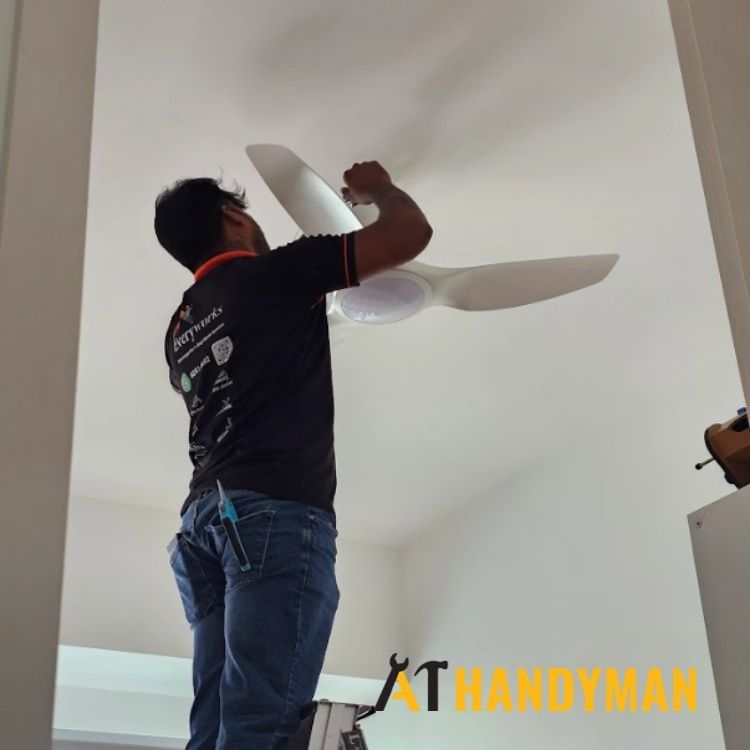
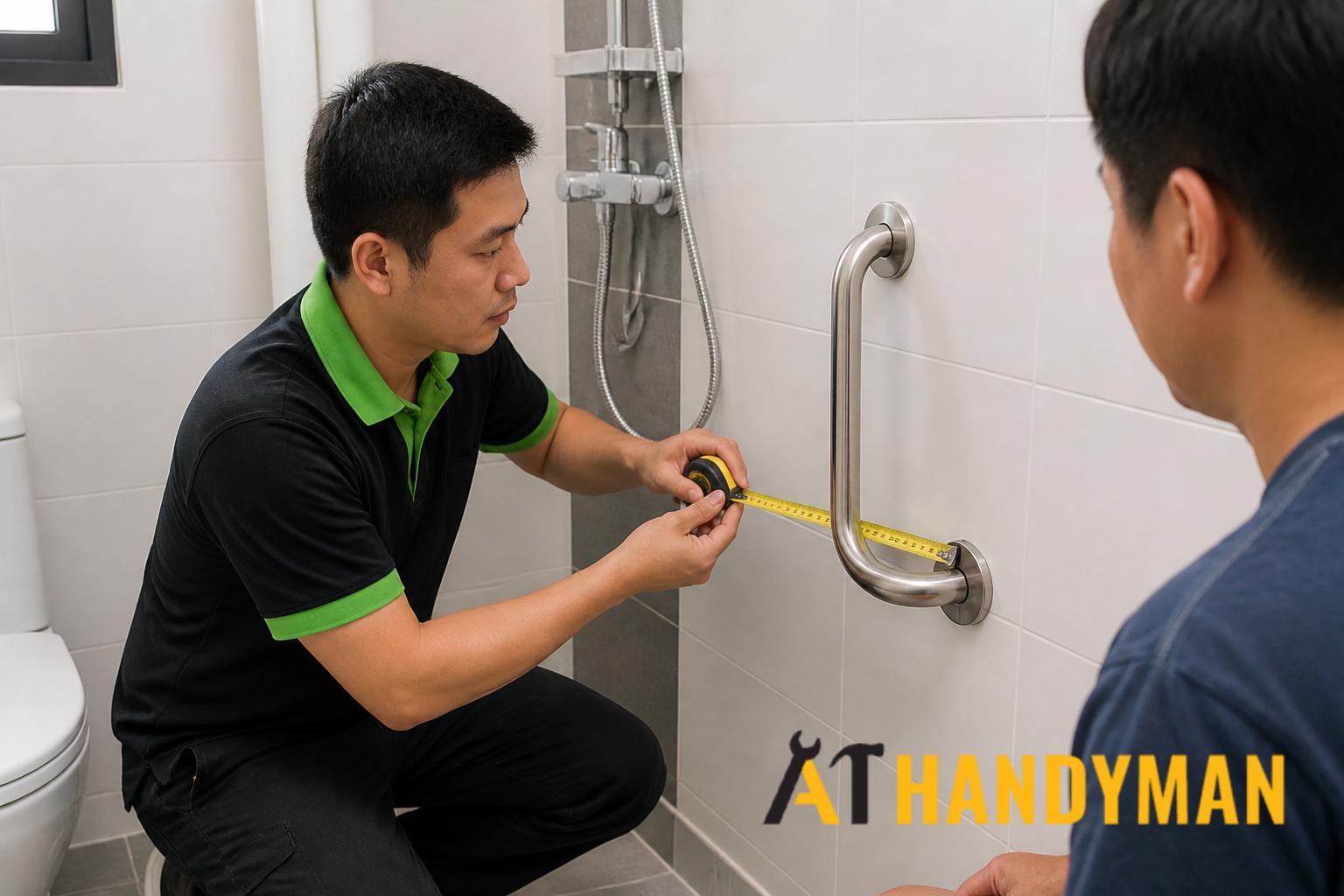
When people look for recommended handyman services in Singapore, they are usually not just asking for someone to “do the job”. They want to know what a proper job assessment should cover before any repair, installation, or assembly begins. A good assessment helps the handyman understand the scope, check suitability for the property, and identify any practical limitations before work starts.
In Singapore, this matters for all kinds of home and office tasks, from drilling and wall mounting to door repair, curtain rail installation, furniture assembly, grab bar installation, and minor carpentry. A careful assessment reduces guesswork, helps you compare service providers more fairly, and makes it easier to prepare the right area before the appointment.
What a handyman assessment is meant to achieve
A job assessment is the first step where the handyman reviews the task, the site conditions, and the fixture or surface involved. For recommended handyman services in Singapore, this is where the scope becomes clearer: what exactly needs to be done, what materials or fittings may be involved, and whether the work is straightforward or requires extra care.
This is especially important because different handyman tasks have different demands. For example, drilling into a wall for a TV bracket is not the same as repairing a door lock, and neither is the same as assembling furniture or installing a curtain rod. A proper assessment helps match the method to the job rather than treating all work as identical.
It also helps homeowners, tenants, landlords, and office managers understand whether the request is suitable for a general handyman service or whether it should be handled by a trade specialist. That distinction is important in Singapore, particularly for work that may involve electrical, plumbing, or safety-sensitive components.
Checking the exact task and the expected scope
The first thing a handyman usually clarifies is the exact nature of the job. “Repair the door” could mean a loose hinge, a misaligned latch, a damaged lockset, or a door that no longer closes smoothly. “Install curtain hardware” might involve a curtain rod, a rail, brackets, or replacing existing fittings. The assessment should narrow the request into a specific action.
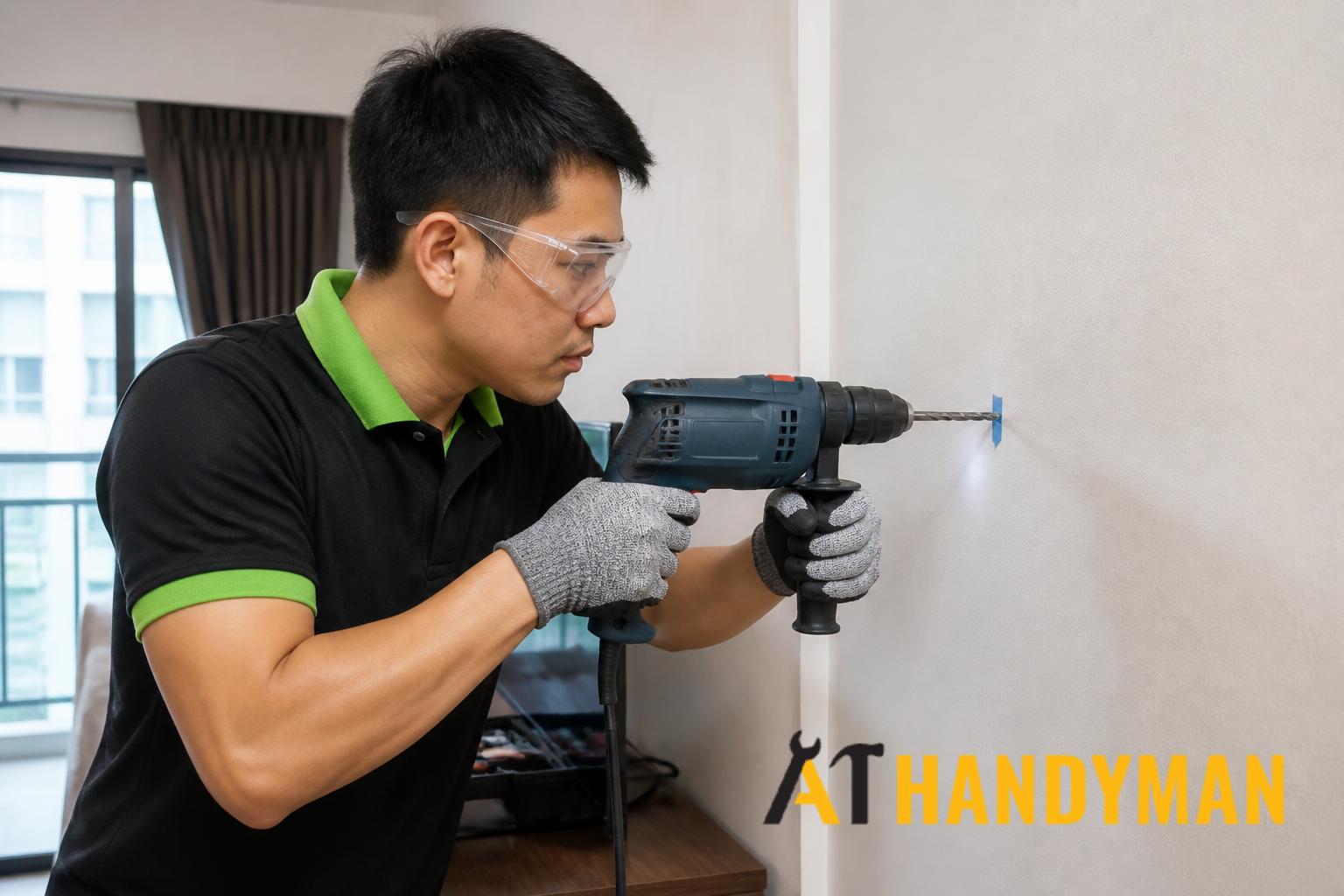
This is useful because the scope affects the approach. For drilling and mounting work, the handyman needs to know what is being installed, where it will go, and whether the wall surface is suitable. For furniture assembly, the question is whether the item is fully boxed, partly assembled, or missing parts. For grab bar installation, the location and intended use matter because the fitting must be planned carefully.
A recommended handyman service will normally look for signs that the job may require additional materials, more time, or a different fixing method. That does not mean every issue is complicated; it simply means the assessment prevents surprises once work begins.
Reviewing the property type and the working area
In Singapore, the property type matters because HDB flats, condominiums, landed homes, and offices often have different access conditions and surface materials. A job assessment usually includes a quick review of where the work will happen and whether the space is suitable for the task at hand.
For wall mounting or drilling, the handyman may need to understand whether the wall is tiled, plastered, concrete, or another finish. For curtain installation, the window or bay area and surrounding fixtures matter. For door repair, the condition of the frame, hinges, and nearby flooring may affect how the job is done. These are practical considerations, not assumptions.
In offices or commercial spaces, the assessment may also include the working hours, access restrictions, and whether the area must remain usable during the job. Good planning helps avoid disruption and keeps the work area more organised.
Identifying materials, fixtures, and existing condition
Another key part of the assessment is examining the fixture or item itself. A handyman will usually want to know whether the customer already has the item to be installed or whether parts still need to be sourced. This applies to curtain rods, wall-mounted brackets, door hardware, locks, shelves, and assembled furniture.
The existing condition is equally important. A loose bracket, damaged screw hole, warped door, cracked wall surface, or worn-out fixing point can change how the work should be approached. The assessment is where these conditions are noted so the handyman can decide whether the job is simple, needs repair before installation, or may not be suitable in its current state.
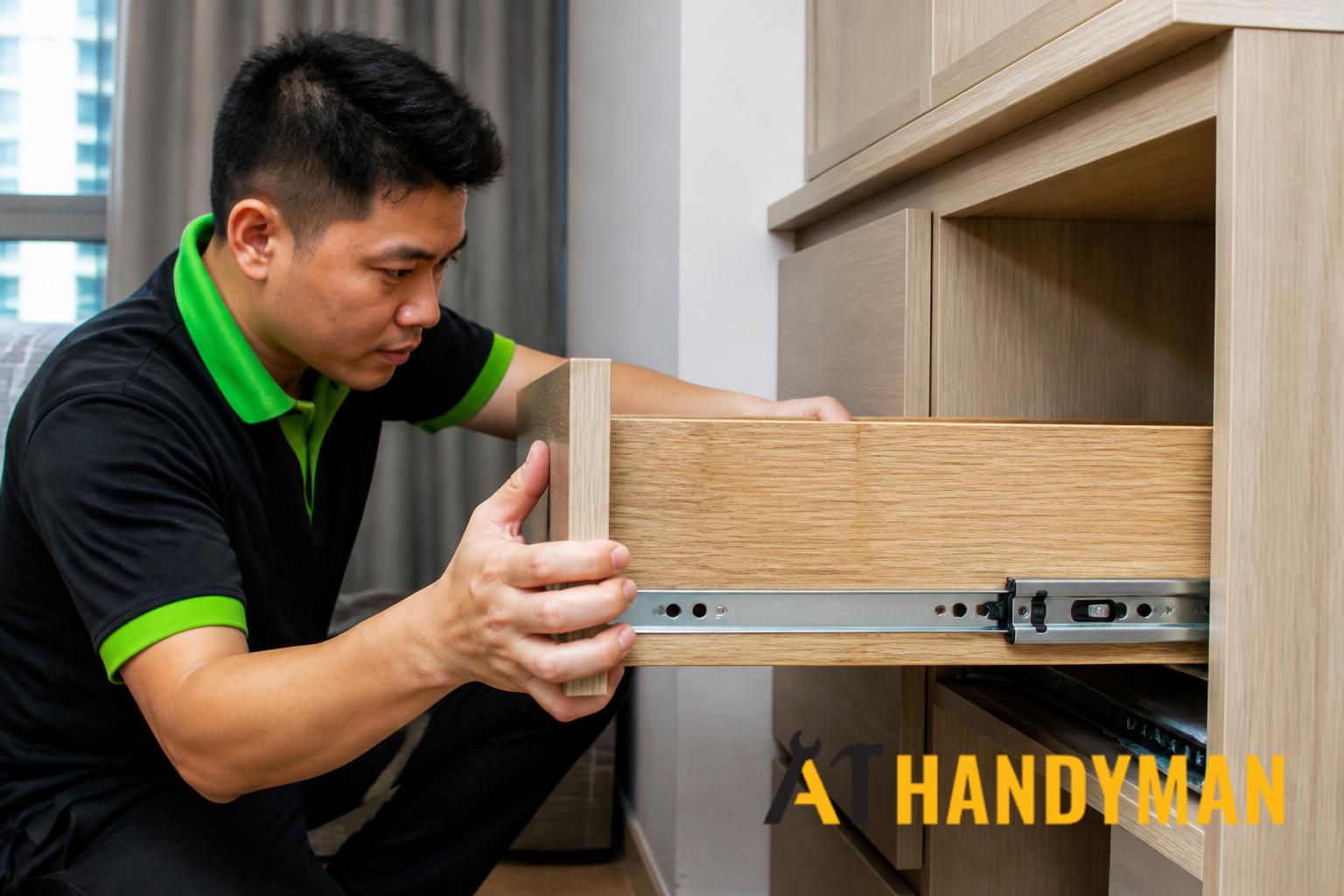
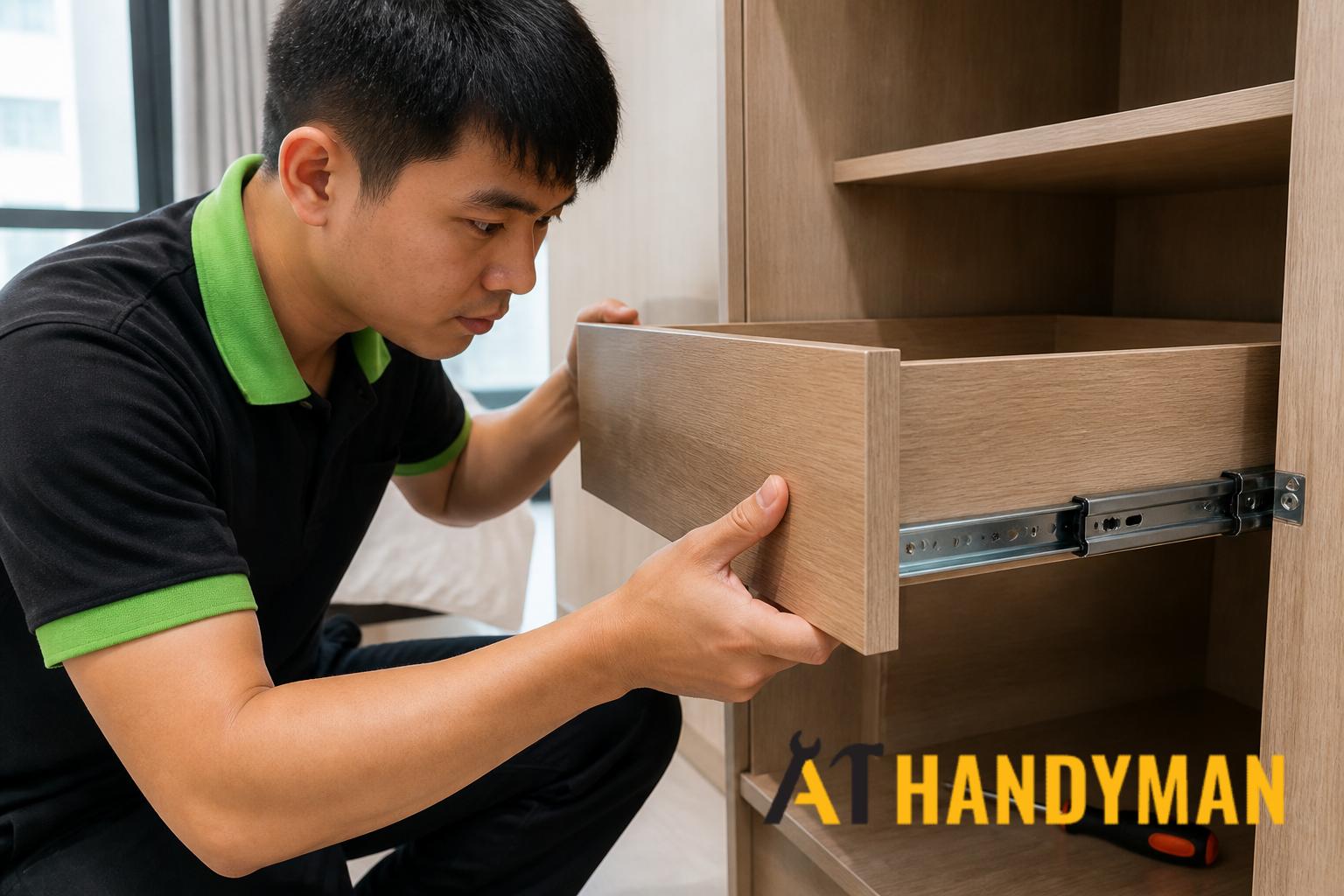
For furniture assembly, the handyman may check whether the parts are complete and whether there is enough room to assemble the item safely. For grab bars and similar fittings, the surface condition and installation location need to be reviewed with care so the job is planned appropriately.
Considering suitability, safety, and trade boundaries
Recommended handyman services in Singapore should also include a suitability check. This means the handyman considers whether the task falls within general handyman work or whether a more specialised tradesperson is more appropriate. That is especially relevant for plumbing, electrical work, or other safety-sensitive tasks.
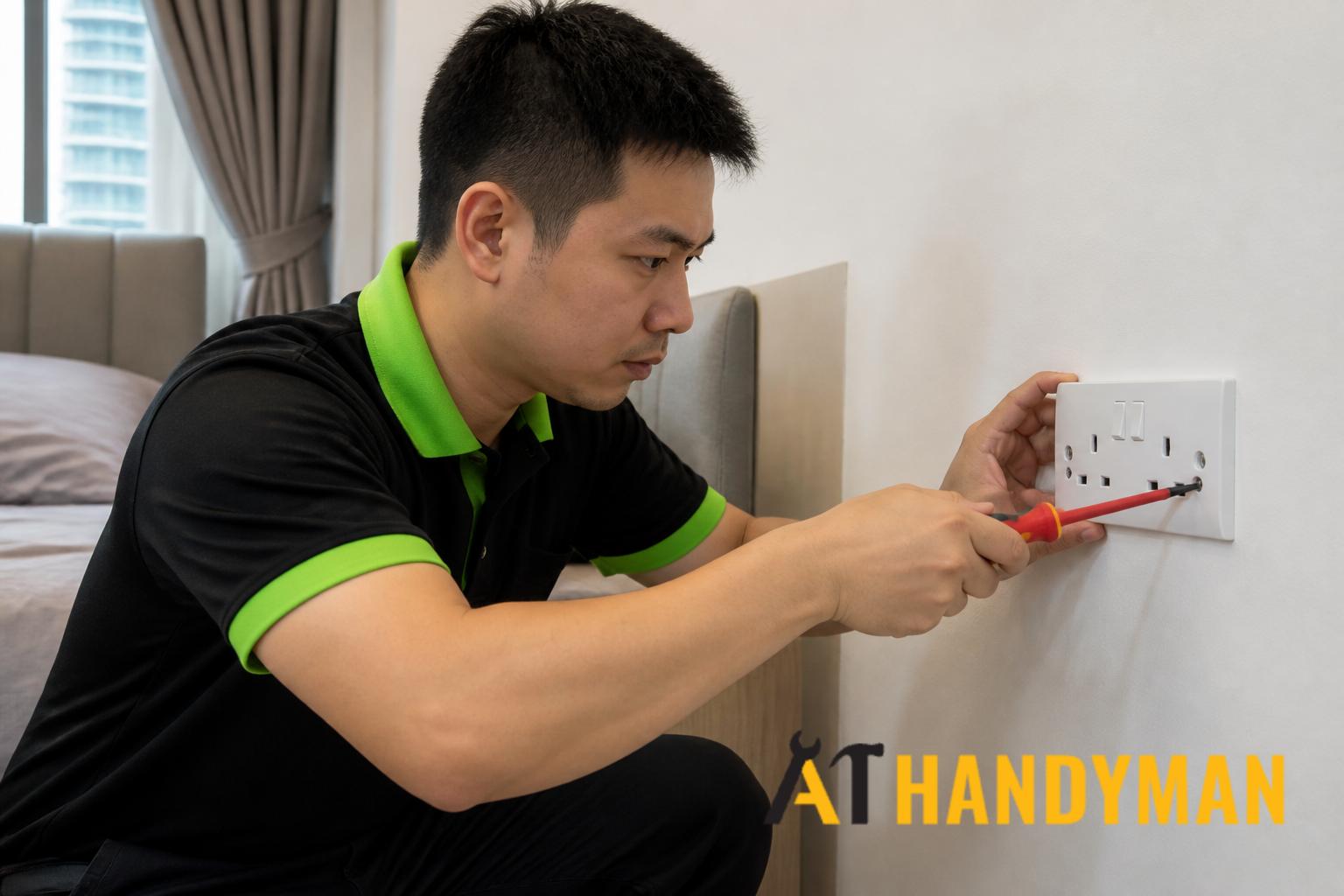
For example, a handyman can often help with basic fixtures, mounting, carpentry repair, or door hardware. However, if the job involves electrical wiring, concealed plumbing, or work that clearly needs a licensed specialist, the assessment should recognise that limit rather than overpromising. This is part of good service, not a drawback.
Safety also matters for household items that may be used frequently or bear weight, such as grab bars, wall-mounted fittings, or door hardware. A careful assessment does not guarantee a result, but it does show that the handyman has considered the practical demands of the task before starting.
Clarifying tools, access, and preparation before work starts
A proper assessment often includes simple preparation questions. Is there enough clearance to work? Are the walls, doors, or fixtures accessible? Are there fragile items that should be moved away? These checks help the handyman prepare the right tools and avoid unnecessary delays on site.
This is especially useful for jobs like drilling, TV bracket installation, curtain installation, and furniture assembly, where space and access can affect how the work is carried out. If the area is tight, crowded, or already damaged, the handyman may need to adjust the approach or ask for a clearer view of the site before confirming the scope.
Preparation also helps the customer. When photos, measurements, and details about the property are ready in advance, it becomes easier to discuss the task accurately and compare recommended handyman services based on the actual job rather than a vague description.
Why a good assessment helps with better service comparisons
Many Singapore homeowners and tenants search for recommended handyman services because they want a reliable and practical decision, not just the lowest-effort option. A strong job assessment is one of the clearest signs of that. It shows the provider is paying attention to the fixture, the surface, the property type, and the actual scope of work.
This also makes service comparison more meaningful. Two providers may sound similar in a message, but the one that asks for photos, measurements, and clear job details is often better placed to assess the work properly. That is especially relevant for door repair, curtain rail installation, drilling, wall mounting, and assembly jobs where site conditions matter.
In short, the assessment is not just a formality. It is the point where the handyman decides whether the job is suitable, what may be needed, and how to approach the work in a sensible way for Singapore homes and offices.
If you need recommended handyman services in Singapore for a specific installation or repair task, WhatsApp A1 Handyman Singapore with photos of the fixture and working area, your property type, any approximate measurements if relevant, and a quotation request based on the actual job scope.
Conclusion
Recommended handyman services in Singapore usually include a clear job assessment that reviews the task, the property type, the fixture condition, the working area, and whether the work is suitable for a general handyman or a more specialised trade. That assessment is what helps turn a vague request into a practical plan for safe, sensible, and better-informed service.
Choose A1 Handyman Singapore
A1 Handyman Singapore provides exceptional support when it comes to tackling home maintenance problems. With reasonable and affordable prices, you can get quality handyman workmanship. We offer a wide range of professional services like plumbing, electrical, aircon servicing, rubbish chute services, water heater services, door repair services, handyman drilling services, wall mounting installation services, TV bracket installation services, and pull up bar installation. Need help figuring out a specific issue? Read through our handyman articles and browse our past handyman projects. Over the years, we have served many satisfied customers and received positive reviews both on Google and Facebook. WhatsApp us at +65 8241 0032 for transparent quotation and honest pricing for all your handyman needs. We offer a fast and efficient service to serve any of your handyman needs!
Frequently Asked Questions
What details should I send for a handyman job assessment in Singapore?
It is usually helpful to send photos of the fixture or area, a short description of the problem or installation, your property type, and any approximate measurements if relevant. These details help the handyman understand the scope more accurately before visiting.
Does a job assessment cover all handyman tasks the same way?
No. The assessment depends on the task. Wall mounting, curtain installation, door repair, furniture assembly, and grab bar installation each require different checks. A good assessment focuses on the specific fixture, surface, and working conditions for that job.
Will a handyman always handle electrical or plumbing-related work after assessment?
Not always. A responsible assessment should identify when the task is better handled by a qualified specialist, especially for electrical or plumbing work. This helps keep the job within the right scope and avoids mixing unrelated trade requirements.