Your Trusted Handyman Service Provider in Singapore!

Category Archives: Carpentry Handyman Singapore

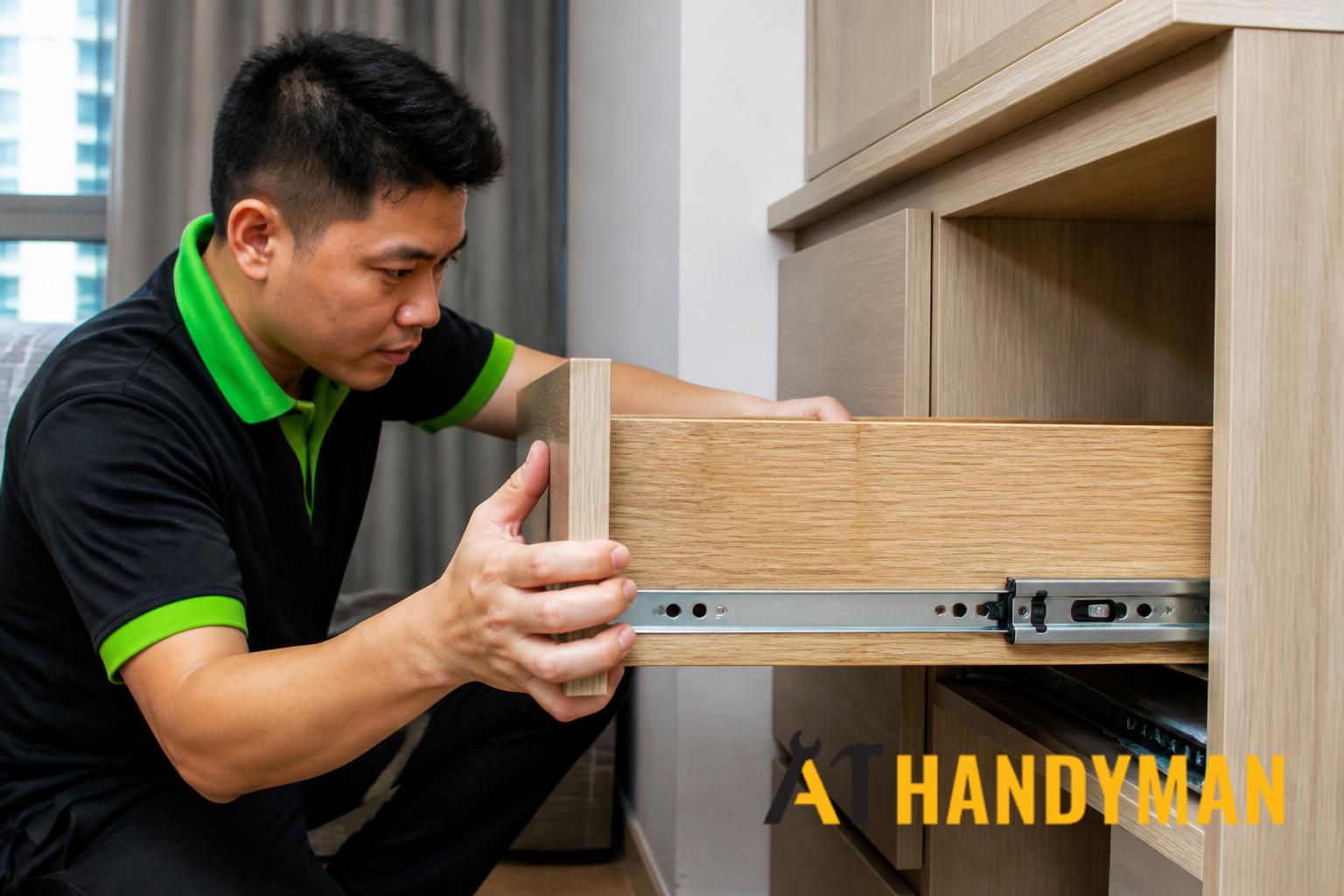
How Does a Carpentry Handyman in Singapore Decide Whether a Repair or Replacement Is Needed? by A1 Handyman Singapore

How Does a Carpentry Handyman in Singapore Decide Whether a Repair or Replacement Is Needed?

When a carpentry handyman in Singapore is asked whether an item should be repaired or replaced, the answer is rarely based on appearance alone. A proper decision usually depends on the material, the extent of damage, the age of the item, how it is used day to day, and whether the problem is isolated or part of a wider failure. For HDB flats, condos, landed homes and even office spaces, this practical judgement helps avoid unnecessary replacement while also preventing repeated call-backs for something that is no longer worth patching.

In carpentry, the line between repair and replacement is not always obvious. A loose hinge, swollen cabinet edge or cracked panel may be simple to rectify in one case, but a sign that the structure, board core or joinery has deteriorated in another. The main goal is to restore safe, usable function with a result that suits the surrounding fixture and the condition of the property.

What a carpentry handyman looks at first

The first step is usually a visual and hands-on check of the affected item. A handyman will look at the size and location of the damage, whether the problem is cosmetic or structural, and whether the item still opens, closes, supports or aligns properly. For example, a cabinet door that sits unevenly because of a loose hinge may only need adjustment or hardware replacement, while a swollen carcass with broken fixings may point towards a larger repair or replacement.

Material condition matters as well. Solid timber, laminated boards, plywood and MDF can behave very differently when exposed to wear or moisture. One material may allow localised patching, while another may show swelling, delamination or crumbling at the edges that makes a neat repair difficult. In Singapore, where humidity and occasional moisture exposure are common, this assessment is especially important for kitchen cabinets, bathroom carpentry and storage units near windows or service areas.

When repair is usually the sensible choice

Repair tends to make sense when the damage is limited and the main structure is still sound. Typical examples include loose hinges, worn catches, minor surface chips, detached handles, misaligned cabinet doors, small cracks in a panel edge, or a shelf that needs re-securing. In these situations, the handyman may be able to tighten, re-fix, patch, fill, replace small hardware parts or re-align the fixture without disturbing the whole unit.

Repair is also often preferable when the item is still matching the surrounding carpentry and replacement would create an awkward visual mismatch. In built-in wardrobes, kitchen run units and vanity cabinets, a local repair can preserve the original layout and reduce disruption. Where the defect is isolated and the rest of the carpentry remains serviceable, repair is usually the more practical option.

When replacement becomes the better option

Replacement becomes more likely when the damage affects the structure rather than a single fitting. If a cabinet base has softened, the board has swollen badly, or the side panel is no longer holding screws securely, a repair may only provide a temporary result. The same applies when repeated moisture exposure has weakened the material, or when several parts of the same unit are already failing at once.

A handyman may also recommend replacement if the repair would be more involved than the value or usefulness of the item justifies. For example, if multiple sections need rebuilding, if matching existing laminate is difficult, or if the old carpentry no longer functions well for the space, replacing the affected section can be the more sensible long-term decision. This is particularly relevant in older Singapore homes where previous repairs may have accumulated over time.

How damage type affects the decision

Different kinds of damage point towards different solutions. Cosmetic issues such as scratches, small dents, minor peeling, or light chips often respond well to repair. Functional issues such as a sticking drawer, loose runner, detached hinge, or misaligned panel can also be repaired if the underlying board and fixings remain serviceable. These are the kinds of problems where targeted workmanship can restore everyday use without replacing the whole item.

On the other hand, problems involving water damage, extensive warping, repeated breakage at the same point, or large sections of broken substrate often shift the decision towards replacement. If the board has lost its shape or cannot reliably hold hardware, the repair may not last. A careful handyman will therefore consider not just what is visibly broken, but how the damage affects the whole unit’s function and stability.

Why location in the home matters

The location of the carpentry often influences whether repair is worthwhile. Kitchen units, sink cabinets, bathroom storage and window-adjacent fittings are more exposed to moisture and may deteriorate faster than furniture in a dry bedroom. In such places, a repair may be suitable only if the damage is limited and the surrounding material is still in good condition. If moisture has spread, replacement of the affected section may be more practical.

In living rooms, bedrooms and study areas, wear is often caused by frequent use rather than water. Wardrobe doors, shelving, study cabinets and TV consoles may fail through hinge fatigue, loose joints or surface damage. These are often more repair-friendly, provided the structure remains stable. For office carpentry, the decision may also consider how much downtime the space can tolerate and whether the fixture still supports daily operations effectively.

Appearance, finish and matching considerations

Another factor is how visible the repair will be after the work is done. If the item is highly prominent, such as a feature cabinet, built-in wardrobe front or reception counter, the handyman will consider whether the repaired area can blend reasonably with the existing finish. Some repairs are technically possible but still leave a noticeable difference in colour, texture or grain pattern, especially when old laminate or veneer is involved.

When a clean match is difficult, replacement of the affected component may produce a more acceptable result. This does not always mean replacing the entire cabinet or furniture piece; sometimes only the damaged panel, door leaf or section needs to be renewed. The aim is to balance appearance, practicality and the extent of intervention required.

How a handyman balances cost, longevity and disruption

The decision between repair and replacement is also influenced by how much disruption the job will cause. A smaller repair can often be completed with less disturbance to the surrounding area, which matters in compact Singapore homes and occupied office spaces. Replacement may require more time, more materials and possible adjustments to surrounding fittings, especially if the new part must align with existing cabinetry or hardware.

At the same time, a repair that is too minor for the level of damage may become poor value if it needs repeating. A good carpentry handyman weighs the immediate fix against how long the result is likely to remain usable in normal conditions. The best choice is not always the cheapest or the most extensive; it is the one that makes the fixture safe, functional and suitable for the space.

If you are unsure whether your carpentry needs repair or replacement, WhatsApp A1 Handyman Singapore with photos of the damaged fixture, the property type, approximate measurements if relevant and a brief description of the issue so you can discuss the job scope and quotation based on the actual condition.

Conclusion

A carpentry handyman in Singapore decides between repair and replacement by looking at the extent of damage, the condition of the material, the function of the fixture, the surrounding finish and whether the work is likely to last. Small, localised issues can often be repaired neatly, while structural damage, repeated deterioration or moisture-related weakening may make replacement the more practical choice. The right decision is the one that suits the item, the space and the way it is used.

Choose A1 Handyman Singapore

A1 Handyman Singapore provides outstanding handyman services in Singapore. We offer plumbing, electrical, aircon servicing, rubbish chute services, water heater services, door repair services, and provide drilling services for wall mounting installations, TV bracket installation services, and pull up bar installation. Need help figuring out a specific issue? Read through our handyman articles and browse our past handyman projects. For reliable handyman services, contact us now through WhatsApp at +65 8241 0032!

Frequently Asked Questions

Can a swollen cabinet panel always be repaired?

Not always. If the swelling is minor and only affects a small area, a repair may be possible. If the board has lost strength, no longer holds screws properly or has been badly affected by moisture, replacement is often the more sensible option.

Is it better to repair or replace old wardrobe doors?

It depends on the condition of the door, hinges, frame and surrounding board. A door with loose hardware or small surface wear may be repaired, but a door with warping, repeated misalignment or damaged edges may be better replaced.

How does a handyman decide if a furniture repair is worth doing?

The handyman will usually consider how severe the damage is, whether the structure is still stable, whether the repair can blend with the finish, and whether the item will remain practical after the work. If the repair is likely to be short-lived or visually unsatisfactory, replacement may be recommended instead.
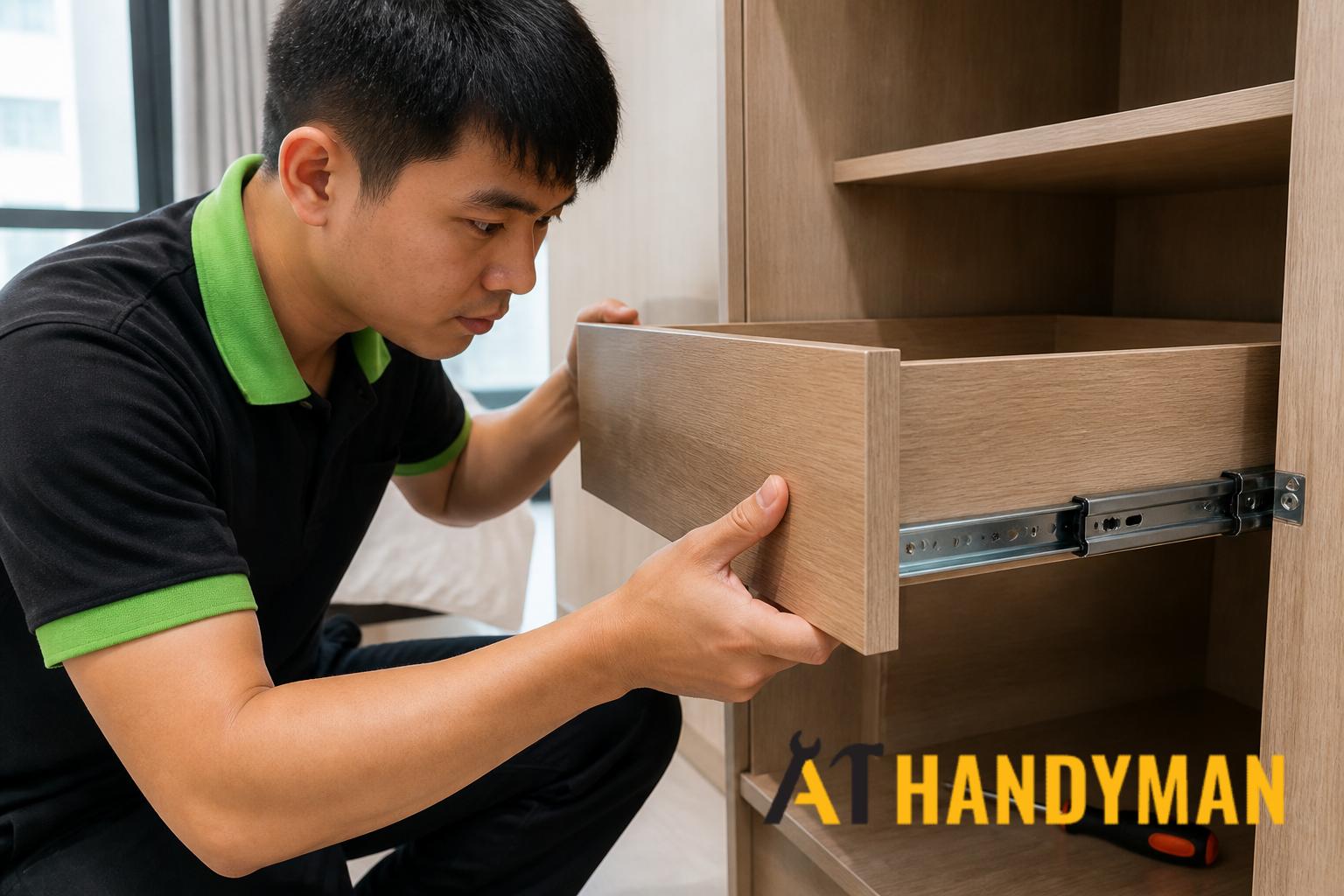
What Small Repair Jobs Can a Carpentry Handyman in Singapore Handle? by A1 Handyman Singapore

What Small Repair Jobs Can a Carpentry Handyman in Singapore Handle?

A carpentry handyman in Singapore can handle many small repair jobs that help keep cupboards, doors, shelves and other built-in woodwork in good working order. For homeowners, tenants, landlords and office users, these are often the practical fixes that make a space feel neat, usable and safe without needing a full renovation.

In most cases, the value of a carpentry handyman is in dealing with minor wear and tear, loose fittings, surface damage and small adjustments to timber-based fixtures. The exact scope depends on the condition of the item, the material used, how it was originally installed and whether the issue is confined to the carpentry itself or linked to another trade such as plumbing, electrical or door hardware work.

Common small carpentry repair jobs in Singapore homes

Many small repair jobs involve everyday built-in furniture and storage pieces. These can include loose cabinet hinges, sticking cupboard doors, misaligned drawer fronts, chipped laminate edges, sagging shelf boards and broken internal supports. A carpentry handyman may also help with small touch-ups where a fixture is still structurally usable but needs attention to remain convenient.

Kitchen cabinets, bedroom wardrobes, vanity units and study tables are common examples. In Singapore homes, frequent use, humidity and general ageing can cause panels to swell, joints to loosen or finishes to wear. A handyman can often inspect the affected area, identify the visible problem and carry out a repair that is appropriate to the size and condition of the item.

For minor jobs, the aim is usually to restore function and appearance rather than replace the entire fixture. That may mean tightening fittings, replacing damaged hardware, re-fixing a loosened panel or making a small adjustment so a door or drawer closes more smoothly.

Cabinet doors, drawers and hinges

One of the most common carpentry repair requests is for cabinet doors and drawers. Hinges can loosen over time, causing doors to hang unevenly or rub against neighbouring panels. Drawer runners may also become stiff, noisy or detached, making the drawer difficult to open and close properly.

A carpentry handyman can often handle small hinge adjustments, runner replacement, re-screwing loose fixing points and minor alignment work. If the cabinet carcass is still sound, these repairs may be enough to bring the item back into normal use. However, if the wood is badly swollen, rotten or cracked in the load-bearing areas, the repair may be more limited or may require more extensive carpentry work.

For Singapore kitchens and bathrooms, it is also important to check whether the issue is caused by moisture exposure. If the underlying surface is damaged by water, the handyman may be able to repair the visible fault, but the long-term suitability of the cabinet will depend on how much of the structure has been affected.

Shelves, brackets and small built-in supports

Small repair jobs often include shelves that have dropped, warped slightly or become unstable. This can happen in wardrobes, storerooms, kitchen cabinets or study areas where the support points have loosened. A carpentry handyman may re-secure the shelf, replace damaged supports or adjust the position so it sits properly again.

Built-in supports, divider panels and small internal frames can also loosen with regular use. These components may not look dramatic, but they affect how well the furniture works. A practical repair can reduce wobble, prevent further damage and improve the overall finish of the fixture.

If a shelf is holding heavy items, the handyman will usually assess whether the existing board and fixing points are still suitable for the task. When the problem is beyond a simple re-fixing job, replacement of the shelf board or support system may be the more suitable option.

Minor door and frame-related carpentry issues

While door hardware is a distinct trade area, some small carpentry jobs are linked to the timber parts of doors and frames. These can include small edge repairs, patching minor damage around the frame, re-fixing loose timber sections or improving the fit where the woodwork itself is causing the door to catch.

In many Singapore properties, doors may show signs of wear around the hinge side, latch area or bottom edge. A carpentry handyman can sometimes help with localised wood repairs, such as filling small damaged areas or making minor adjustments to the timber so the door functions better.

It is important to distinguish between a carpentry issue and a lock, hinge or door accessory issue. If the concern is mainly about a lockset, latch or other hardware, a locksmith or door specialist may be more suitable. If the timber itself is damaged, a carpentry repair is more relevant.

Surface damage, chips and small finish repairs

Not every carpentry repair involves a major structural problem. Many jobs are cosmetic but still worthwhile, especially in visible areas such as living rooms, bedrooms and office reception spaces. Small chips, scratches, peeling laminate, exposed edges and dents can make built-in furniture look older than it really is.

A handyman may be able to handle small patching or tidying work, depending on the material and condition of the item. This may include repairing minor damage to the surface edge, improving the appearance of a worn section or preparing the area for a neater finish. The result depends on the original material, the extent of the damage and how visible the repair area is.

For homeowners preparing a property for sale, rental or handover, these small touch-ups can help improve presentation without the cost and disruption of replacing whole cabinets or partitions.

Loose fittings, cracked panels and small structural adjustments

Some small repair jobs involve fittings that are no longer secure. This might include loose screws, detached backing boards, small cracks in timber panels or slight movement in a built-in unit. A carpentry handyman can often re-fix, strengthen or patch these areas if the problem is localised and the surrounding structure remains usable.

Small structural adjustments can also be useful when a fixture is slightly out of alignment but not fully damaged. For example, a cabinet that no longer sits flush, a wardrobe panel that has shifted or a partition detail that has opened at a join may all need targeted repair rather than replacement.

That said, a handyman should only carry out work that is suitable for the condition of the item. If there are signs of significant rot, water damage, repeated collapse or movement in a larger built-in installation, a more thorough inspection is sensible before any repair is attempted.

What to prepare before booking a carpentry handyman

To make the repair process smoother, it helps to gather a few simple details before arranging a visit. Clear photos of the damaged item, a short description of the problem and the property type — whether HDB, condominium, landed home or office — will help the handyman understand the likely scope of the job.

Approximate measurements can also be useful when the repair involves shelves, cabinet doors, panels or a section that may need replacing. If the issue is inside a built-in unit, it helps to note whether the area is accessible and whether anything nearby needs to be moved before work starts.

Because carpentry repairs can vary widely in complexity, a quotation based on the actual condition and scope is more reliable than a general assumption. This is especially important where the problem could involve more than one trade, such as plumbing leak damage affecting timber, or hardware issues affecting a cabinet door.

WhatsApp A1 Handyman Singapore to enquire about your carpentry handyman repair, and share photos of the fixture, the working area, the property type and any approximate measurements so the job scope can be assessed accurately for a quotation.

Conclusion

Small carpentry repair jobs in Singapore often cover the practical fixes that keep cabinets, shelves, drawers, wardrobes and other built-in fittings usable and presentable. For minor wear and tear, a carpentry handyman can often help with tightening, re-fixing, alignment, patching and other targeted repairs, provided the job is suitable for the item’s condition.

When the damage is more extensive, or when the problem is actually related to another trade, the right approach is to identify the real cause first and choose the most suitable repair path. That is the best way to protect both the fixture and the overall finish of the space.

Choose A1 Handyman Singapore

A1 Handyman Singapore provides exceptional support when it comes to tackling home maintenance problems. With reasonable and affordable prices, you can get quality handyman workmanship. We offer a wide range of professional services like plumbing, electrical, aircon servicing, rubbish chute services, water heater services, door repair services, handyman drilling services, wall mounting installation services, TV bracket installation services, and pull up bar installation. Need help figuring out a specific issue? Read through our handyman articles and browse our past handyman projects. Over the years, we have served many satisfied customers and received positive reviews both on Google and Facebook. WhatsApp us at +65 8241 0032 for transparent quotation and honest pricing for all your handyman needs. We offer a fast and efficient service to serve any of your handyman needs!

Frequently Asked Questions

Can a carpentry handyman repair loose cabinet doors and drawers?

Yes, minor issues such as loose hinges, misaligned doors, stiff drawers and detached runners are common carpentry repair jobs. The handyman can usually assess whether the problem can be fixed by adjustment, re-fixing or replacement of small parts, provided the cabinet structure is still in reasonable condition.

Can small carpentry repairs be done for HDB, condo and office spaces?

Yes, small carpentry repairs are often suitable for HDB flats, condominiums, landed homes and office settings. The exact method depends on the fixture type, the material used and how accessible the damaged area is. Built-in cabinetry, shelving and simple timber fittings are common examples.

When is repair better than replacing the whole carpentry item?

Repair is often more suitable when the damage is localised, such as a loose hinge, chipped edge or small panel problem. Replacement becomes more likely when the item has widespread moisture damage, major structural failure or repeated issues that affect its overall stability and function.

Need Help? Text us now!