
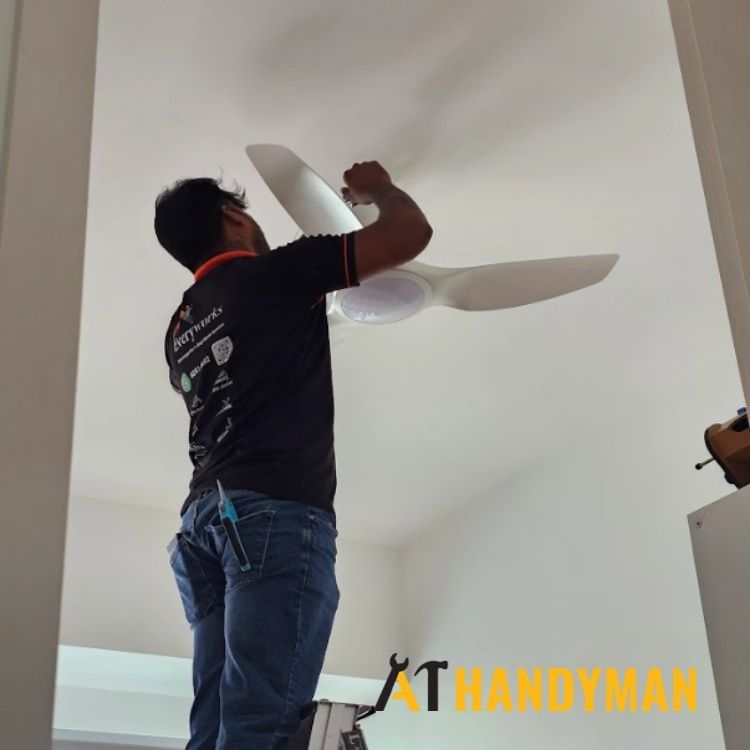
Before any repair begins, a good electrical handyman in Singapore will first work out what is actually wrong, where the fault may be coming from, and whether the issue is safe to inspect on site. For household electrical problems, diagnosis matters just as much as the repair itself, because symptoms such as tripping, dead sockets, flickering lights or a non-working fan can all point to different causes. A careful approach helps avoid unnecessary replacement work and supports a safer, more suitable fix for the home.
Start with the symptom, not the assumption
The first step is usually to listen carefully to the homeowner’s description of the fault. An experienced electrical handyman will ask what stopped working, when it started, whether the issue is constant or intermittent, and whether it affects one point or several parts of the home. These details help narrow the problem before any tools are used.
For example, a light that does not switch on may involve the lamp holder, switch, wiring point or the circuit supplying that room. A socket that has stopped working could be isolated to one outlet, or it may be part of a wider circuit issue. The job of diagnosis is to separate the visible symptom from the likely electrical cause.
Check the affected area and the pattern of the fault
Once the symptom is clear, the handyman will usually inspect the specific location and look for patterns. In Singapore homes, faults may appear in a single bedroom, along one section of the living room lighting, or across multiple outlets in the same zone. The pattern often gives useful clues about whether the issue is localised or circuit-wide.
They may check if other appliances on the same circuit are functioning, whether the fault changes when switches are used, and whether the issue happens only under load. This sort of pattern recognition is important because it helps avoid replacing parts that are not actually the source of the problem.
Identify visible signs of wear, damage or loose connections
A practical inspection often includes looking for obvious signs such as heat marks, discolouration, loose fittings, cracked faceplates, worn switches or dangling components. In some cases, a household fault is linked to a poor connection, a damaged accessory, or a fitting that has deteriorated with age and regular use.
Electrical handymen also pay attention to whether the fixture appears physically stressed, especially in busy areas like kitchens, service yards, corridors and bedrooms with frequent use. While not every fault is visible, a careful visual check can quickly rule in or rule out common causes before repair work is discussed.
Test the circuit safely before recommending repair work
After the initial inspection, the handyman may carry out basic diagnostic checks using suitable testing methods. The aim is to confirm whether power is present where it should be, whether the fault is isolated to one fitting, and whether the problem is likely to be in the accessory, the wiring point or the connected circuit. Safe testing is especially important when the symptom involves sparking, repeated tripping or a complete loss of power.
Because electrical work carries risk, diagnosis should be done with proper care and appropriate tools rather than guesswork. The handyman should not simply change a part and hope the issue disappears. Instead, the findings from testing should guide the repair scope so the work is relevant to the actual fault.
Consider the type of fitting and how it has been used
The exact fixture involved also affects diagnosis. A faulty ceiling light, wall switch, power socket, fan point or appliance connection each involves different components and different likely failure points. Even when two symptoms look similar, the underlying issue may not be the same.
Usage matters too. A socket that regularly powers heavier household appliances may show wear differently from one used occasionally. A bathroom fitting or kitchen point may also need a more cautious check because of the surrounding environment and exposure to moisture or heat. A good electrical handyman will take these practical conditions into account before recommending any repair.
Separate the electrical issue from the appliance issue
Not every power-related complaint is caused by the home wiring. Sometimes the problem lies with the appliance, plug, flexible cord, bulb, fan unit or other device being used. Proper diagnosis helps distinguish whether the fault belongs to the fixed electrical point or to the item plugged into it.
This distinction matters because the repair approach changes completely. Replacing a wall socket will not solve a defective appliance, and changing an appliance will not fix a wiring fault. A clear diagnosis saves time and supports a more suitable next step for the homeowner or tenant.
Explain findings clearly before any repair begins
After inspection and testing, the handyman should explain the likely cause in straightforward terms and outline what repair work is actually needed. In a Singapore household, this might mean tightening or replacing a faulty accessory, correcting a loose connection, or recommending a more suitable follow-up if the issue appears beyond a simple repair.
Clear explanation is part of proper service. It allows the customer to understand the scope of work, the affected fixture, and why a specific repair is being suggested. For homeowners, landlords and tenants alike, that transparency helps with planning and avoids unnecessary work on unrelated parts of the home.
If you need an electrical handyman in Singapore to assess a household fault before repair work, WhatsApp A1 Handyman Singapore with photos of the fixture and working area, your property type, and any approximate measurements or notes so the job scope can be reviewed properly.
Conclusion
An electrical handyman in Singapore diagnoses a household fault by starting with the symptom, checking the affected area, looking for visible signs of damage, testing the circuit carefully, and separating appliance issues from fixed electrical problems. This measured approach helps ensure the repair work matches the real fault and is suitable for the home’s condition.
Choose A1 Handyman Singapore
A1 Handyman Singapore provides outstanding handyman services in Singapore. We offer plumbing, electrical, aircon servicing, rubbish chute services, water heater services, door repair services, and provide drilling services for wall mounting installations, TV bracket installation services, and pull up bar installation. Need help figuring out a specific issue? Read through our handyman articles and browse our past handyman projects. For reliable handyman services, contact us now through WhatsApp at +65 8241 0032!
Frequently Asked Questions
What should I tell the electrical handyman before inspection?
Share what is not working, when it started, whether the problem is constant or occasional, and whether it affects one point or several. Photos of the fixture and the surrounding area can also help the handyman understand the likely scope before arriving.
Can a tripping circuit be diagnosed without replacing parts immediately?
Yes, it usually should be diagnosed first. Tripping can come from several possible causes, so checking the pattern of the fault and testing the circuit is more sensible than replacing components at random. Proper diagnosis helps identify the most relevant repair.
Is it useful to mention whether the issue is in a HDB, condo or landed home?
Yes, because the property type helps the handyman understand the likely installation context and access conditions. Even when the fault is similar, the layout and fixture arrangement can affect how the diagnosis and repair are approached.