Your Trusted Handyman Service Provider in Singapore!
Is It Cheaper to Bundle Several Handyman Jobs Into One Visit in Singapore? by A1 Handyman Singapore

Is It Cheaper to Bundle Several Handyman Jobs Into One Visit in Singapore?

If you have a few small jobs waiting at home or in the office, it is natural to wonder whether it is cheaper to bundle them into one handyman visit in Singapore. In many cases, it can be more cost-effective to combine related tasks because you reduce repeated call-out effort, save time on coordination, and avoid paying for multiple separate appointments. However, the answer depends on the type of work, how similar the jobs are, and whether the tasks can be carried out safely in one visit.

For Singapore homeowners, tenants, landlords and office managers, bundling is often practical for non-urgent tasks such as drilling, wall mounting, curtain rail installation, furniture assembly, minor door repairs, grab bar installation and similar handyman work. But not every job should be bundled blindly. Some services require different tools, specialist skill sets or extra site preparation, and regulated work such as plumbing or electrical tasks may need more careful planning. The key is to match the job scope properly before you ask for a quotation.

Why bundling handyman jobs can reduce overall cost

The main reason bundling can be cheaper is that the handyman only needs to make one trip, set up once, and work through multiple tasks in a single appointment. That means less duplicated travel, less repeated packing and unpacking of tools, and less time lost between separate visits. For smaller jobs, these overheads can make up a noticeable part of the overall charge.

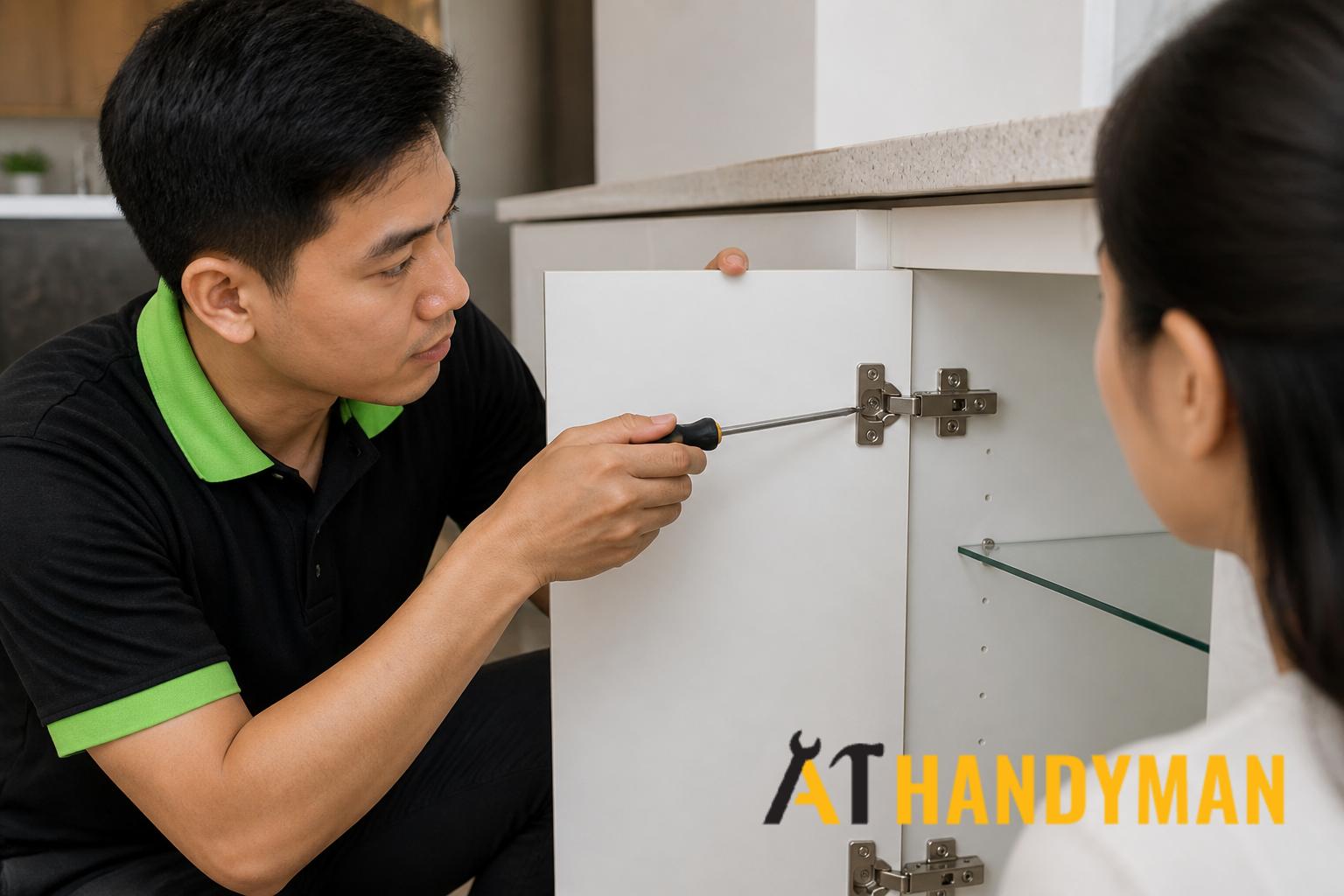
Bundling is especially useful when the jobs are in the same property and can be completed in a logical sequence. For example, a homeowner may want door lock adjustment, curtain rod installation, a shelf fixed, and furniture assembly done on the same day. If the tasks are all straightforward and the working area is ready, the visit can be more efficient than arranging four separate appointments.

That said, “cheaper” should not only mean the lowest headline price. A combined visit is only good value if the scope is clear and the handyman arrives prepared for the actual mix of work. If one item turns out to be much more complicated than expected, the time saved from bundling may be reduced.

Which handyman jobs are commonly suitable to bundle

Many general handyman services can sit well together in one visit because they are practical, time-based tasks rather than highly specialised installations. These often include drilling, TV bracket and wall mounting, curtain rail or rod installation, furniture assembly, minor carpentry repair, door repair, grab bar installation and simple fixture adjustments.

Jobs that involve similar tools or access requirements are often the easiest to combine. For instance, several drilling and mounting tasks in the same room or across nearby rooms may be more efficient than splitting them up. Likewise, if you need both a door lock check and a door repair, it may make sense to have them inspected together so the handyman can identify what can be adjusted on the spot.

For offices and light commercial spaces, bundling may also work well for repeated minor fixes such as furniture assembly, mounting boards or screens, installing hooks or brackets, and making small carpentry or door adjustments. The more the tasks share the same working environment and access setup, the more practical the bundle usually becomes.

When bundling may not save as much as expected

Bundling is not automatically cheaper if the jobs are very different in nature. For example, a simple furniture assembly and a more involved plumbing issue may not be efficient to mix if they need different tools, different work areas, or extra diagnosis time. The same applies when one task is quick but another requires careful inspection before any work can begin.

Another factor is preparation. If the property is not ready, the handyman may spend extra time moving items, clearing access, locating fixtures, or waiting for decisions. In that situation, the advantage of bundling can shrink. A combined visit works best when the work areas are accessible and the homeowner already knows what needs to be done.

There is also the question of specialist versus general work. Some jobs may be within a handyman’s normal scope, while others are better handled by a qualified tradesperson depending on the issue involved. This is particularly important for electrical and plumbing-related work, where safety and suitability should be checked before combining tasks.

What affects the quotation for multiple jobs in one visit

A quotation for bundled handyman work in Singapore usually depends on the number of tasks, the complexity of each job, the time required, materials needed, and how much site preparation is involved. If the handyman can complete several straightforward jobs within one appointment, the combined scope may be more efficient than booking each item separately.

Photos are very helpful because they allow the handyman to understand the fixture type, the condition of the wall, door or fitting, and whether extra accessories may be needed. Approximate measurements can also matter for jobs like curtain installation, wall mounting, grab bar installation and furniture assembly. The more accurate the information, the more realistic the quotation is likely to be.

If you are comparing options, ask whether the price is based on one visit, one item, or a grouped scope of work. This helps avoid confusion when several tasks are listed together. It also makes it easier to compare bundled work against separate appointments on a fair basis.

How to prepare so the bundled visit is efficient

Preparation can make a significant difference to whether a bundled handyman visit feels economical. Before the appointment, list every task clearly and group them by room or area if possible. This helps the handyman plan the order of work and bring the right tools and common fittings.

It is also sensible to clear the working area. Remove items from shelves, move fragile objects away from the wall, and ensure there is enough access around doors, brackets, or assembly pieces. For installation jobs, having the item on site and ready to install avoids delays. For repair work, share photos of the damaged or loose part so the handyman can assess the likely scope in advance.

If one of the tasks involves drilling, wall mounting or curtain rod installation, it is useful to know the wall surface type and whether there are any restrictions in the unit or office. For safety-related work such as grab bar installation, the fixture location should be planned carefully to suit the user and the available wall structure.

Singapore-specific considerations for HDB, condo, landed home and office

In Singapore, the type of property can affect how practical it is to bundle jobs. HDB flats often benefit from grouped visits because homeowners usually want several small fixes handled at once, especially after moving in, repainting or refurbishing. Condos may have additional access or management considerations, so it helps to schedule everything clearly in one appointment where possible.

Landed homes may have a wider mix of handyman work across different floors or outdoor areas, which can make bundling more efficient if the scope is well organised. Offices and commercial premises often prefer consolidated visits too, because facilities teams usually want minimal disruption and a single point of coordination.

Even so, every property is different. Some jobs may be better split if one task is urgent and another depends on a separate trade check, parts availability or a clearer site assessment. Bundling is most useful when the work can be logically combined without compromising safety, quality or access.

If you are unsure whether it is cheaper to combine several handyman jobs into one visit, WhatsApp A1 Handyman Singapore with photos of the fixtures, the property type, approximate measurements where relevant, and a clear description of the jobs so you can ask for a quotation based on the actual scope of work.

Conclusion

In Singapore, bundling several handyman jobs into one visit can often be cheaper and more convenient, especially when the tasks are straightforward, in the same property, and prepared in advance. The best value usually comes from combining similar jobs that share tools, access and site setup, rather than mixing unrelated work without a clear plan. A careful scope check is the simplest way to decide whether one visit is more economical than several separate appointments.

Choose A1 Handyman Singapore

A1 Handyman Singapore provides outstanding handyman services in Singapore. We offer plumbing, electrical, aircon servicing, rubbish chute services, water heater services, door repair services, and provide drilling services for wall mounting installations, TV bracket installation services, and pull up bar installation. Need help figuring out a specific issue? Read through our handyman articles and browse our past handyman projects. For reliable handyman services, contact us now through WhatsApp at +65 8241 0032!

Frequently Asked Questions

Is it usually cheaper to combine drilling, mounting and curtain rod installation in one visit?

Often, yes, because these tasks can sometimes be grouped into one coordinated appointment. The overall value depends on the number of items, the wall type, and how much preparation is needed. A clear list and photos help the handyman assess whether the jobs can be done efficiently together.

Can plumbing or electrical jobs be bundled with general handyman tasks?

Sometimes they can be discussed together, but they should not be treated as identical work. Plumbing and electrical tasks may need extra care, different tools, or a more suitable tradesperson depending on the issue. It is best to describe each job separately so the scope can be checked properly.

What information should I send before asking for a quotation for multiple handyman jobs?

Send photos of each fixture or problem area, the property type, the rooms involved, and any approximate measurements if relevant. A short list of the tasks is also helpful, especially if you want drilling, mounting, repair and assembly work handled in the same visit. This makes the quotation more accurate and easier to compare.
Why Do Handyman Services in Singapore Use Minimum Charges for Small Jobs? by A1 Handyman Singapore

Why Do Handyman Services in Singapore Use Minimum Charges for Small Jobs?

Many homeowners in Singapore are surprised when a handyman gives a minimum charge for a very small job. It can feel like a simple repair or installation should be priced purely by the time spent on site. In practice, however, handyman work involves more than the visible task itself. There is travel, preparation, tools, fuel, parking, admin, and the time needed to assess the job properly and complete it safely.

This is especially relevant in Singapore, where jobs may be in HDB flats, condominiums, landed homes or offices, and where access, parking and building rules can affect how a small task is carried out. Minimum charges help handyman services keep small jobs viable while still covering the basic cost of turning up, inspecting the issue and completing the work to a proper standard.

Why small jobs still have a real service cost

A “small job” may only take 15 to 30 minutes once the handyman is on site, but the total service time is usually much longer. The visit begins with travel to the property, parking or access arrangements, carrying tools and materials, and checking the exact condition of the fixture or problem area. The actual repair or installation is only one part of the full service.

This is why minimum charges are common for handyman services in Singapore. Whether it is a loose hinge, a minor drilling task, a curtain rod adjustment or a basic furniture assembly job, the handyman still has to allocate a visit for that customer. Without a minimum charge, many small jobs would not be practical to handle individually.

For customers, this also means that the quotation is usually based on the job scope rather than just the visible size of the task. A small job may still need screws, wall plugs, specialised tools, a second trip for parts, or careful handling around tiles, plaster, cabinets or existing fittings.

Travel, access and site conditions matter in Singapore

Singapore properties are not all the same. A handyman attending an HDB flat may face different access conditions from a condo unit, a landed home or an office. Lift access, security checks, loading bay rules, visitor registration and parking arrangements can all affect how efficiently a small job can be completed.

For this reason, a minimum charge often reflects the practical cost of reaching the site and getting set up. If the job is in a high-traffic area, during restricted access hours, or in a location where materials must be carried a long distance, the time commitment can be greater than the repair itself.

These factors are not about making small jobs expensive for the sake of it. They simply recognise that even a minor repair is still a scheduled service call. A handyman who quotes fairly must consider the whole visit, not only the final screw tightened, bracket mounted or lock adjusted.

Tools, materials and job preparation are part of the service

Small jobs often require a surprising amount of preparation. For example, drilling a few holes for a wall bracket may need the correct drill bits, anchors, level, measuring tools and dust control. A door lock adjustment might require screwdrivers, alignment checks and a careful test of the latch or strike plate. Even a minor carpentry touch-up can involve clamps, fillers or trimming tools.

Minimum charges help cover the use and wear of these tools, together with the time spent preparing for the work. If the handyman needs to bring specific parts or replacement items, there may also be the cost of sourcing compatible materials. This is particularly relevant when the original fixture is old, discontinued or not straightforward to match.

In many cases, the customer benefits from having a professional assess the situation properly rather than attempting a quick patch. A small fault can sometimes point to a larger underlying issue, such as uneven mounting, loose substrate, worn fittings or repeated stress on a hinge, rail or bracket.

Minimum charges help keep small repairs available

Without a minimum charge, handyman services would often prioritise larger jobs and avoid minor ones. That would leave homeowners and tenants with fewer practical options for everyday issues such as loose fixtures, minor door repairs, simple replacements or small drilling and mounting tasks.

Minimum charges allow the service provider to continue offering these smaller assignments. They help balance short on-site time with the overheads of running a business, including scheduling, communication, transport and after-service follow-up. In other words, the minimum charge is often what makes same-day or one-visit support possible for smaller jobs.

For customers, this can be useful when a fault is urgent but not large. A wobbly curtain rod, a loose wall hook, a misaligned cupboard door or a small furniture assembly task may not justify a full-scale renovation quote, yet still needs proper attention from someone with the right tools and experience.

How job scope affects the quotation

Handyman services in Singapore usually base the quotation on the scope of work, not only on the category name. Two jobs that both seem “small” may differ greatly in complexity. One wall mounting task may involve a straightforward surface, while another may require careful checking of the wall material, fixture position and existing holes before installation can begin.

This is why customers are often asked to share photos, measurements or a brief description before confirmation. Clear information helps the handyman understand whether the task is a simple repair, a replacement, an installation or a problem that needs more time and materials. It also reduces the risk of misunderstanding when the team arrives on site.

In Singapore, good planning matters because many homes use different fixture types and finishes. A minimum charge is therefore less about the size of the job and more about whether the handyman can make a proper visit and complete the required work safely and neatly within the allotted service call.

When minimum charges are especially common

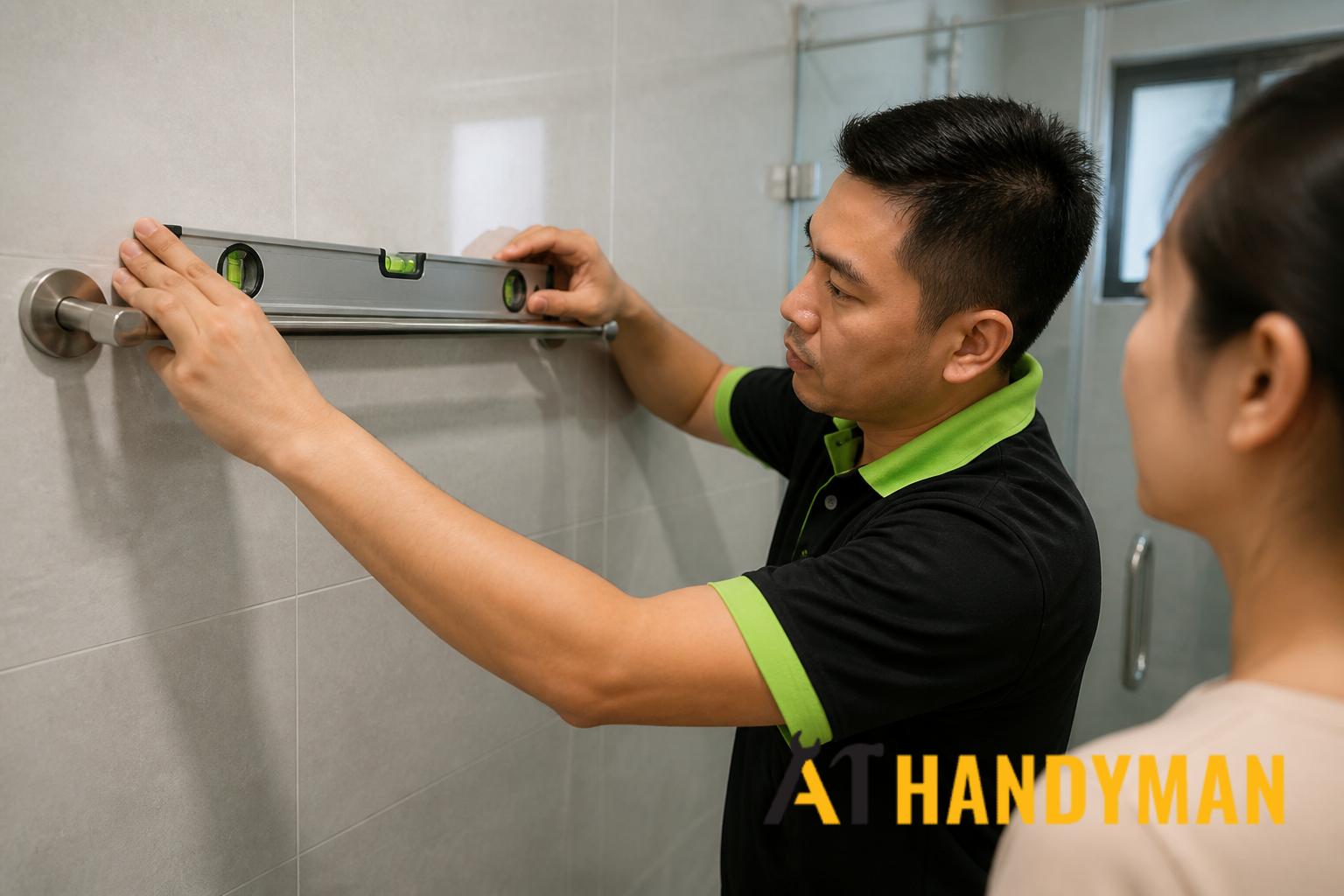
Minimum charges are often seen for quick fixes and low-volume jobs such as drilling, TV bracket installation, wall mounting, curtain rod or rail installation, door lock adjustments, minor carpentry repair, grab bar installation, basic furniture assembly and other small handyman tasks. These jobs may be individually short, but they still require a dedicated trip and proper setup.

They are also common when the customer needs one-off assistance rather than repeated maintenance. A handyman cannot usually combine several unrelated small jobs from different customers into one visit, so each assignment must stand on its own commercially.

For property owners and tenants, understanding this helps set realistic expectations. A minimum charge is not necessarily a sign of overpricing; it is often the standard way to keep small, practical jobs available across Singapore without compromising on time, tools or careful workmanship.

If you need help with a small handyman job in Singapore, WhatsApp A1 Handyman Singapore with clear photos of the fixture and working area, your property type, any approximate measurements if relevant, and a brief description of the exact repair or installation so a quotation can be based on the actual job scope.

Conclusion

Minimum charges for small handyman jobs exist because even a short task involves travel, preparation, tools, access and professional time. In Singapore, where property types and site conditions vary, this approach helps keep small repairs and installations practical, available and properly assessed. The key is to view the charge as part of the full service visit, not just the final few minutes of work.

Choose A1 Handyman Singapore

A1 Handyman Singapore provides exceptional support when it comes to tackling home maintenance problems. With reasonable and affordable prices, you can get quality handyman workmanship. We offer a wide range of professional services like plumbing, electrical, aircon servicing, rubbish chute services, water heater services, door repair services, handyman drilling services, wall mounting installation services, TV bracket installation services, and pull up bar installation. Need help figuring out a specific issue? Read through our handyman articles and browse our past handyman projects. Over the years, we have served many satisfied customers and received positive reviews both on Google and Facebook. WhatsApp us at +65 8241 0032 for transparent quotation and honest pricing for all your handyman needs. We offer a fast and efficient service to serve any of your handyman needs!

Frequently Asked Questions

Why does a handyman charge a minimum fee for a job that looks quick?

Because the handyman still has to travel to the property, bring tools, assess the fixture and complete the work properly. The fee usually reflects the whole service call, not only the visible repair time.

Do minimum charges apply to all small handyman jobs in Singapore?

They are common for many small jobs, but the actual quotation depends on the task type, site conditions, materials needed and whether the work is a repair, installation, replacement or adjustment.

How can I help the handyman quote more accurately for a small job?

Send clear photos, mention your property type, describe the exact issue or installation needed, and include approximate measurements if relevant. This helps the handyman understand the scope before visiting.

How Are Handyman Service Prices in Singpore Calculated for Labour, Transport and Materials? by A1 Handyman Singapore

How Are Handyman Service Prices in Singpore Calculated for Labour, Transport and Materials?

When people ask how handyman service prices in Singapore are calculated, the answer usually comes down to three main parts: labour, transport and materials. For a typical handyman job, these elements are assessed together so the quotation reflects the actual scope of work, the site conditions and any parts or consumables needed to complete the task properly.

Because “handyman” covers many different tasks in Singapore, the pricing structure can vary by trade and by job type. A simple furniture assembly job is not priced in the same way as drilling and wall mounting, door repair, plumbing-related replacement work or electrical installation support. Understanding what each cost component covers helps homeowners, tenants, landlords and office customers compare quotations more confidently.

What Labour Usually Covers in a Handyman Quotation

Labour is the service fee for the time, skill and effort needed to complete the job. In handyman work, this may include site assessment, preparation, installation, repair, adjustment, testing and clean-up related to the task. The more technical, awkward or time-consuming the work, the more likely labour will reflect that complexity.

Labour pricing may also vary according to the exact handyman trade. For example, door repair, curtain rail installation, TV bracket mounting, grab bar installation, plumbing tasks and carpentry repair all involve different tools, methods and levels of care. A job that needs careful positioning, alignment or repeated adjustment may take longer than a straightforward replacement or assembly.

Some service providers may use a minimum labour charge for smaller jobs, especially when travel and setup are involved. Others may price by job scope rather than by hour. For Singapore customers, the key point is that labour is not just “time on site”; it also reflects the skill required to do the task safely and neatly.

How Transport and Call-Out Costs Are Worked Out

Transport costs usually cover the handyman’s travel to your property, fuel or vehicle use, parking, loading of tools and the practical cost of reaching the site. In Singapore, this matters because jobs may be spread across HDB flats, condominiums, landed homes and offices, each with different access conditions and parking arrangements.

A quotation may include transport as a separate charge, or it may be bundled into the overall job price. For small jobs, transport can form a noticeable part of the total because the travel effort is similar whether the task takes 20 minutes or an hour. For larger jobs, transport may be less visible because it is spread across the total scope.

Access also affects transport planning. If the property has controlled entry, lift access constraints, loading procedures or specific site rules, the handyman may need additional time for arrival and equipment handling. These practical factors do not automatically mean a job is more expensive, but they can influence how the quotation is structured.

Why Materials and Parts Affect the Final Price

Materials are the physical items used in the job. These may include brackets, screws, anchors, sealants, replacement fittings, hinges, locks, tracks, curtain hardware, timber pieces, cables, paint consumables or plumbing accessories depending on the task. In many handyman jobs, material quality and compatibility are important because the parts must suit the fixture and the surface.

Material pricing can change the quote significantly when the job requires replacement components rather than basic labour alone. For example, a door repair involving a hinge replacement, a lock change or misalignment correction may require different parts from a simple adjustment. Likewise, TV bracket installation or wall mounting may need suitable hardware matched to the wall type and fixture weight, while curtain installation depends on the rail or rod system chosen.

It is also common for quotations to separate labour from materials so customers can see what is included. This is useful when comparing providers, especially if one quote includes consumables and another expects the customer to supply the parts. A clear scope helps avoid confusion about what has been priced and what is still excluded.

What Makes One Handyman Job Cheaper or More Expensive Than Another

Several factors can change the cost of a handyman service in Singapore even when the same trade is involved. Job complexity is one of the biggest factors: a straight installation is usually simpler than a repair that involves troubleshooting, dismantling or rework. The condition of the existing fixture also matters, because damaged, worn or poorly fitted components can take longer to address.

Location inside the property can affect pricing too. Work at an easy-to-reach point is generally less involved than work requiring careful positioning, awkward access or repeated measurement. For example, drilling and mounting at a difficult angle, replacing a lock in a tight doorway or assembling furniture in a cramped room may take more labour than the item itself suggests.

Material choice also influences the quote. Standard parts are usually different from higher-spec components, and some jobs need more than one item to complete the work properly. For regulated or safety-critical work such as electrical or plumbing-related tasks, it is sensible to use appropriate qualified personnel rather than assuming all handyman services are interchangeable.

How Quotes Are Usually Built for Common Singapore Handyman Tasks

For furniture assembly, the quotation often reflects labour time, the number of items and whether the pieces are straightforward or complex. For drilling and wall mounting, the cost may depend on the number of holes, the type of fixture, the wall surface and whether suitable mounting hardware is required. For curtain rail or rod installation, alignment and support points are part of the labour assessment, while the rail or rod system itself may be listed separately if supplied.

Door repair pricing usually depends on the fault type, whether the issue involves hinges, alignment, latch function, lock components or general wear. Carpentry repair can vary even more because damaged panels, loose fittings, trims or minor structure-related fixes may each require different labour and materials. If the work is more specialised, the quotation may reflect that additional effort.

For plumbing, water heater work, rubbish chute issues or electrical handyman tasks, the price should be based on the exact scope and the suitability of the service provider for that job type. These categories are not interchangeable, so the quotation should match the task instead of using a one-size-fits-all estimate.

Why Property Type Matters in Singapore

Different property types can influence how handyman service prices are calculated. HDB flats, condominiums, landed homes and offices may all have different access arrangements, site rules and work conditions. Even when the same installation or repair is requested, the setting can affect the time needed for setup, movement of tools and completion.

For example, an office job may require coordination around operating hours or access procedures, while a condo may involve lift, loading or management considerations. A landed home may offer easier access in some cases, but the size of the property or the position of the fixture can still affect labour and transport planning. These are practical quotation factors rather than fixed price rules.

If you are comparing handyman service prices in Singapore, it helps to provide the property type upfront. This gives the provider a clearer picture of the likely scope and reduces the chance of a quotation changing later because of missing details.

How to Compare Handyman Prices Fairly Before Booking

To compare quotations properly, ask what is included in labour, transport and materials. Check whether the quote covers removal of old parts, installation of new parts, basic testing and any minor adjustments needed to finish the job. If a provider gives a low figure but excludes materials or access-related costs, the final amount may be less straightforward than it first appears.

It also helps to share photos of the fixture, the work area and any damaged or missing parts. For certain jobs, approximate measurements are useful too, such as for curtain installation, wall mounting, door hardware replacement or furniture assembly. The more accurate the information, the easier it is to assess the job scope and prepare a relevant quotation.

When in doubt, choose a provider that explains the pricing structure clearly rather than one that only gives a vague estimate. A transparent quote should show how labour, transport and materials contribute to the total, especially when the task involves installation, repair or replacement work rather than a simple visit.

If you would like a quotation for your exact handyman installation, repair or replacement task in Singapore, WhatsApp A1 Handyman Singapore with photos of the fixture and working area, your property type and any approximate measurements so the job scope can be assessed properly.

Conclusion

Handyman service prices in Singapore are usually calculated by combining labour, transport and materials, with the final amount shaped by the task type, property access, fixture condition and the parts needed. A clear quotation should reflect the actual scope of work, especially when the job involves installation, repair or replacement rather than a simple routine visit. Providing good details upfront is the best way to obtain a more accurate and comparable price for your handyman job.

Choose A1 Handyman Singapore

A1 Handyman Singapore provides outstanding handyman services in Singapore. We offer plumbing, electrical, aircon servicing, rubbish chute services, water heater services, door repair services, and provide drilling services for wall mounting installations, TV bracket installation services, and pull up bar installation. Need help figuring out a specific issue? Read through our handyman articles and browse our past handyman projects. For reliable handyman services, contact us now through WhatsApp at +65 8241 0032!

Frequently Asked Questions

Why do handyman quotes in Singapore vary so much for similar-looking jobs?

Similar-looking jobs can still differ in labour time, access difficulty, material needs and fixture condition. For example, two wall mounting tasks may appear alike, but one may need different hardware, more careful positioning or extra preparation, which changes the quotation.

Are materials usually included in handyman service prices?

Sometimes yes, sometimes no. Some quotations include basic consumables or standard parts, while others separate materials from labour. It is always sensible to confirm whether the quoted amount covers the parts needed for the job or only the service fee.

Should I send photos before asking for a price?

Yes, photos are very useful. They help the handyman assess the fixture, the work area and any visible issues before preparing a more relevant quotation. For certain tasks, approximate measurements and the property type also help improve pricing accuracy.

How Are Handyman Services Planned for HDB, Condo and Landed Homes in Singapore? by A1 Handyman Singapore

How Are Handyman Services Planned for HDB, Condo and Landed Homes in Singapore?

Planning handyman services for HDB flats, condominiums and landed homes in Singapore is usually less about calling someone in at random and more about matching the job to the property type, the fixture involved and the level of access available. A well-planned visit helps the tradesperson bring the right tools, understand any building rules that may affect access, and avoid unnecessary repeat trips.

For homeowners, tenants and landlords, the most useful approach is to define the exact task early: whether it is drilling and wall mounting, TV bracket installation, curtain rail or rod installation, door repair, lock replacement, grab bar installation, furniture assembly, or other general handyman work. The details matter because HDB, condo and landed homes often differ in wall materials, common area access, management procedures and the way fixtures are installed.

Start with the exact job, not just “handyman”

Handyman planning works best when the request is specific. “Install curtain rods in the bedroom” gives a much clearer picture than “need handyman”. The clearer the task, the easier it is to assess whether the job is drilling into concrete, mounting onto plasterboard, adjusting a door, assembling flat-pack furniture, or handling another practical repair or installation.

This is especially important in Singapore homes because different tasks sit in different categories. A door repair is not the same as locksmith work, and a TV bracket installation is not the same as a grab bar installation. Each one may require different fixings, different access to the wall or frame, and a different level of care around the existing surfaces.

How planning differs for HDB homes

HDB homes often require close attention to the layout, wall type and the way the room is used day to day. For drilling, wall mounting and curtain installation, the professional needs to understand where electrical points, switches, tiled sections or built-in features are located before starting. This helps reduce avoidable damage and supports a neater finish.

For door repair, lock fitting, furniture assembly and grab bar installation, the flat’s size and existing condition also matter. Older doors, hollow sections, worn hinges or uneven surfaces can affect how a repair is approached. If the home is occupied, planning around family routines is also useful so the work can be completed with minimal disruption.

How planning differs for condominium homes

Condos may involve extra coordination because of estate access, lift usage, parking arrangements, loading bay rules or management requirements. Even for straightforward handyman services, it is sensible to confirm access details beforehand so the visit can be scheduled smoothly and the correct tools and materials can be brought in.

Condominium interiors may also feature different wall finishes, fixtures or fitted cabinetry. That matters for jobs such as drilling, wall mounting, curtain rail installation and carpentry repair. If the task involves a TV bracket or a mirror, the installer should know the wall surface and the intended position in advance so the job can be planned for the correct area.

How planning differs for landed homes

Landed properties usually offer more space, but they can also involve a wider mix of materials and older fittings. A handyman visit may need to cover more than one area of the home, such as an internal door, external access point, gate lock, bathroom grab bar or multiple furniture assembly items. Planning the full scope in advance helps avoid piecemeal visits.

For landed homes, it is also useful to note whether the task is indoors or outdoors, and whether the fixture is exposed to moisture or weather. That affects suitability for certain repairs and installations. For example, a curtain rod, wall bracket or door hardware setup may need a different approach depending on location and surface condition.

What information to prepare before booking

A good handyman booking normally starts with a few practical details: the property type, the exact room or area, the fixture involved and what the issue is. Photos are very useful because they help show the wall surface, the existing fitting, the damage, or the space where the new item will go.

If the job involves drilling, mounting, curtain rail installation, grab bars or furniture assembly, approximate measurements are worth sharing where relevant. For example, the size of a wall section, the length of a curtain track, or the dimensions of a cabinet can help the job be planned more accurately. For repair work, a photo of the broken component or the affected area is often enough to begin assessing the scope.

Common handyman tasks and what planning usually involves

Different services need different preparation. For drilling and wall mounting, the professional should understand the wall surface and what will be mounted, such as a TV bracket, shelf or mirror. For curtain rail or rod installation, the key details are the width of the window area and whether the fixture is to be ceiling-mounted or wall-mounted.

For door repair and lock work, planning should include whether the issue is alignment, hardware wear, a loose handle, or a damaged lock mechanism. Furniture assembly is more straightforward when the item is identified in advance and space is cleared for the work. Grab bar installation needs careful positioning and practical access, particularly in bathrooms and other wet areas.

Safety and suitability considerations in Singapore homes

Good planning also means knowing when a task should be handed to the right qualified person. Some jobs may touch on regulated electrical or plumbing work, or may involve safety-sensitive fixing points. In those situations, it is sensible to choose a suitable professional rather than treating every task as a general handyman job.

Even for ordinary household tasks, suitability matters. A light fixture, bathroom fitting, door lock or wall-mounted item should be assessed against the existing surface and the intended use. The aim is not only to complete the task, but to do so in a way that fits the home type, the fixture and the practical demands of the space.

If you are planning handyman services for an HDB flat, condo or landed home and want the exact job scoped properly, WhatsApp A1 Handyman Singapore with photos of the fixture and working area, your property type, and any approximate measurements so you can request a quotation based on the actual job scope.

Conclusion

Handyman services in Singapore are best planned by matching the task to the property type, the fixture and the space available. Whether the job involves drilling, wall mounting, curtain installation, door repair, lock work, grab bars or furniture assembly, clear information makes the process more practical and reduces the chance of misunderstandings. For HDB, condo and landed homes alike, careful planning is the simplest way to get the right help for the right job.

Choose A1 Handyman Singapore

A1 Handyman Singapore provides exceptional support when it comes to tackling home maintenance problems. With reasonable and affordable prices, you can get quality handyman workmanship. We offer a wide range of professional services like plumbing, electrical, aircon servicing, rubbish chute services, water heater services, door repair services, handyman drilling services, wall mounting installation services, TV bracket installation services, and pull up bar installation. Need help figuring out a specific issue? Read through our handyman articles and browse our past handyman projects. Over the years, we have served many satisfied customers and received positive reviews both on Google and Facebook. WhatsApp us at +65 8241 0032 for transparent quotation and honest pricing for all your handyman needs. We offer a fast and efficient service to serve any of your handyman needs!

Frequently Asked Questions

Do HDB, condo and landed homes need different planning for handyman work?

Yes. HDB homes, condominiums and landed properties can differ in access, wall surfaces, common area considerations and layout. Planning should take the property type into account so the handyman knows what tools, fixings and site access may be involved.

What photos should I send before booking a handyman?

Clear photos of the fixture, the surrounding area and the point where the work is needed are most useful. If the job involves mounting, curtain rails or other measured items, it also helps to include approximate dimensions and note the property type.

Is drilling and wall mounting the same as curtain installation or door repair?

No. These are different tasks with different planning needs. Drilling and wall mounting focus on the wall surface and fixings, curtain installation focuses on the window or ceiling line, and door repair involves hinges, alignment, frames or hardware. Each job should be described separately.

How Long Do Common Handyman Services Take in Singapore? by A1 Handyman Singapore

How Long Do Common Handyman Services Take in Singapore?

If you are planning a repair or installation at home or in the office, one of the first questions is usually how long the job will take. In Singapore, the answer depends less on the handyman label itself and more on the exact trade, the fixture involved, the condition of the surface or fitting, and how accessible the work area is. A simple furniture assembly job is very different from a door lock replacement, a grab bar installation, or electrical work that needs careful isolation and testing.

For homeowners, tenants, landlords and office managers, knowing the likely time required helps with scheduling, access arrangements and minimising disruption. It also helps you decide whether the task is suitable for a general handyman or whether it should be handled by a more specialised tradesperson. Below is a practical guide to common handyman services in Singapore and the factors that typically affect the time needed for each one.

What affects how long a handyman job takes?

Even when two jobs sound similar, the time can differ significantly. The condition of the existing fixture, the type of wall or surface, and whether old parts need to be removed all make a difference. For example, mounting a TV on a sound, accessible wall is usually quicker than mounting on a surface that requires extra checking, careful drilling positions, or repositioning due to hidden obstacles.

Property type also matters. HDB flats, condominiums, landed homes and offices can have different access conditions, building rules and working environments. A job in a narrow service yard or a room with limited clearance may take longer simply because there is less space to work safely and neatly.

Preparation is another key factor. If the item has already been unpacked, the old fitting has been cleared, and the working area is accessible, the handyman can usually proceed more efficiently. If inspection, measurements, removal of old hardware or coordination with building management is needed, allow more time.

How long does furniture assembly usually take?

Furniture assembly is often one of the more predictable handyman tasks, but it still depends on the size and complexity of the item. A small chair, side table or basic storage unit may take a relatively short time, while wardrobes, bed frames, study desks or multi-piece shelving systems can take longer because of the number of parts and fastening points.

Assembly time also depends on whether the product instructions are clear, whether all parts are present, and whether any fixing to a wall or additional adjustment is required. In Singapore homes, space constraints can make large furniture more awkward to handle, particularly in compact bedrooms or common areas.

If the item needs to be stabilised, aligned or fitted in a tight area, the handyman may need extra time to ensure it is positioned properly. This is especially important for tall furniture that must sit level and securely in the intended space.

How long does TV bracket and wall mounting take?

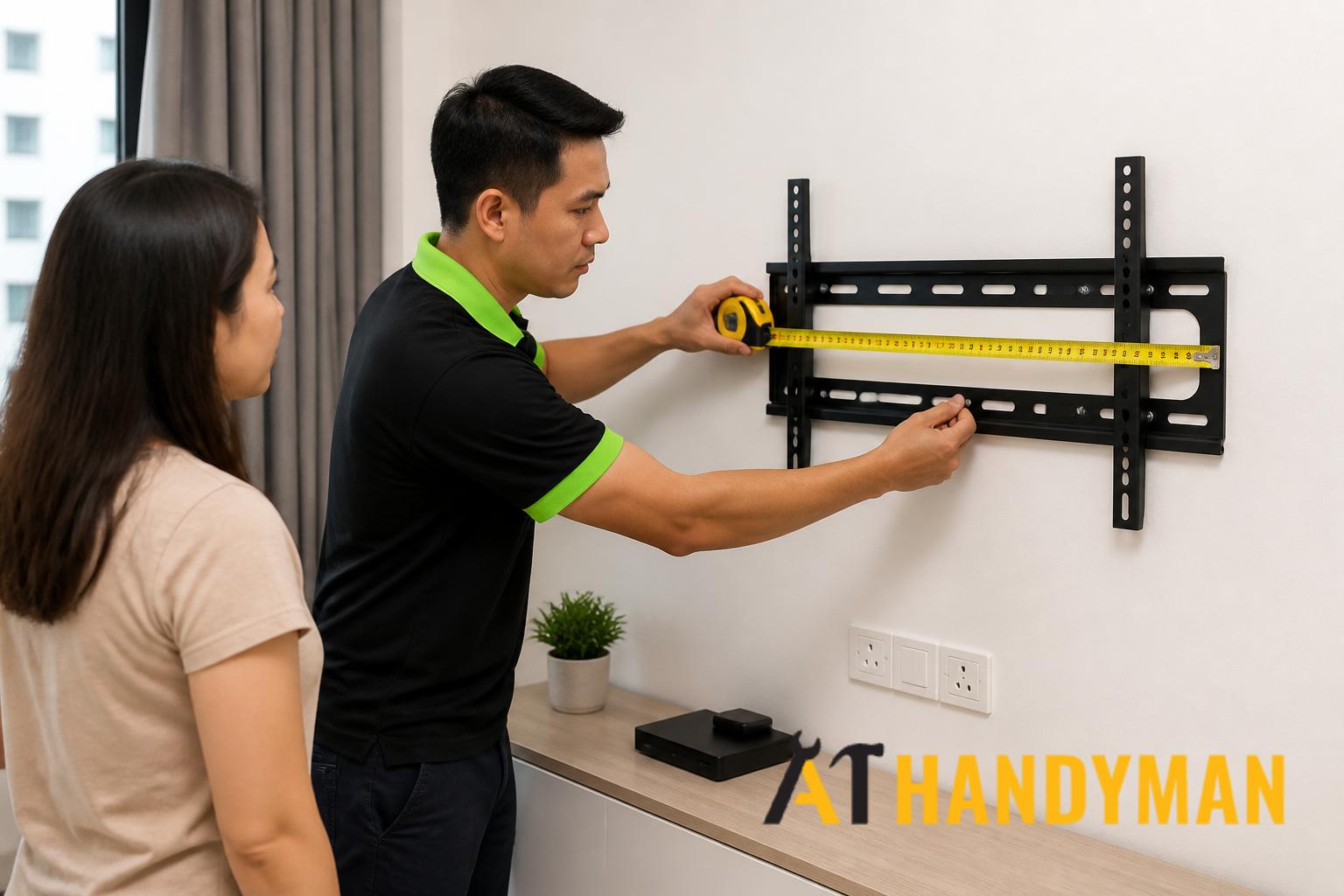
TV bracket and wall mounting can be relatively quick when the wall type is straightforward and the bracket position has already been planned. However, the actual duration depends heavily on the wall surface, the location of the studs or anchors, cable management needs, and whether the TV size and bracket style have already been matched.

Mounting often takes longer when the handyman needs to measure carefully for height and alignment, check for concealed obstacles, or work around existing points and fittings. In some homes, the client may also want the cables tidied or the device positioned for viewing from a specific seating angle, which adds to the overall time.

Because wall mounting is a precision task, it is worth allowing enough time for careful marking, drilling and final adjustment. Rushing this kind of work can lead to poor alignment or an awkward viewing position.

How long do drilling and simple installation jobs take?

Basic drilling jobs, such as fixing small accessories, curtain hardware, shelves or light fittings of a non-electrical nature, are often quicker than larger installations. The time required usually depends on the number of holes, the wall material, and whether the points are easy to measure and access. If the surface is difficult or there are existing holes to work around, the job may take longer.

For installations, the task becomes more involved when the handyman needs to assemble the item first, position it accurately and then secure it in place. Curtain rail or rod installation, for instance, may appear simple, but time can vary if the fittings need careful levelling across a wide window span or if the wall condition is uneven.

Drilling and installation work should always be matched to the surface and the item being fixed. A neat result depends on accurate marking, suitable fasteners and a stable surface, not simply on speed.

How long does door repair or door lock work take?

Door repair jobs range from minor adjustments to more involved hardware replacement. A sticky door, loose hinge or misaligned latch may be resolved more quickly than a problem involving damaged hardware, worn components or a lock that no longer turns smoothly. The time needed depends on the cause of the issue and whether parts need replacement.

Door lock work is similarly variable. A simple lock replacement can be fairly direct if the new hardware is compatible with the existing opening and door thickness. However, if the current lock is damaged, the installation points do not line up, or the door has already been repaired previously, additional adjustment may be needed.

For homes and offices in Singapore, it is sensible to let the handyman inspect the door condition before estimating duration. Small alignment issues can sometimes be handled quickly, but more serious wear or damage may require more careful work.

How long do grab bar and bathroom fixture installations take?

Grab bar installation is a safety-focused task that deserves careful planning rather than speed alone. The time required depends on the wall type, the exact position requested, the accessibility of the bathroom, and whether the installation area is clear and dry. Because grab bars are intended to support safer movement, accurate positioning and secure fixing are important.

Bathroom fixtures in general may take longer if the space is tight or if the existing surface needs checking before drilling. In Singapore homes, bathrooms are often compact, so the handyman may need extra time to work neatly around sanitary ware, tiles and limited movement space.

If the installation involves replacing an existing fitting, removal of the old item and cleaning up the fixing points may also affect the overall time. It is best to allow enough room for a careful installation rather than choosing the fastest possible option.

How long do plumbing-related handyman tasks take?

Plumbing-related jobs can vary widely in duration because the visible symptom is not always the same as the underlying issue. A minor leak, a loose fitting or a simple replacement task may be completed relatively quickly, but a problem that requires tracing the source, removing old parts or testing the result can take longer.

In Singapore, plumbing work should be assessed according to the exact fixture and the condition of the existing pipework or connection. A handyman may be suitable for straightforward maintenance or replacement tasks, but more involved plumbing issues should be handled by the appropriate qualified tradesperson. This is especially important where the work affects water supply, concealed piping or persistent leakage.

To keep the job efficient, it helps to share photos of the affected area and describe when the problem occurs. That allows the handyman to arrive better prepared and reduces avoidable delays during the visit.

How long does rubbish chute repair or replacement-related work take?

Rubbish chute-related work can be relatively straightforward or more involved depending on the condition of the flap, surrounding frame and access to the fitting. If the issue is a loose component, damaged cover or minor adjustment, the work may be shorter. If parts are worn, misaligned or difficult to access, more time may be needed.

Because rubbish chute fittings can affect both convenience and hygiene, the handyman may need to inspect carefully before recommending the next step. In some cases, the visible problem is only part of the issue, and the surrounding hardware also needs attention to restore proper operation.

As with other repair jobs, the exact duration depends on the existing condition rather than the label of the task alone. Providing clear photos and noting the symptoms can help the handyman estimate the likely scope more accurately.

If you would like to know how long your exact handyman job may take, WhatsApp A1 Handyman Singapore with photos of the fixture and working area, your property type, approximate measurements if relevant and a quotation based on the actual job scope.

Conclusion

There is no single answer to how long common handyman services take in Singapore, because each job depends on the exact trade, fixture condition, access, and whether any removal, adjustment or testing is involved. Furniture assembly, drilling, wall mounting, door repairs, grab bar installation, plumbing-related tasks and rubbish chute work all have different practical requirements, so the best estimate comes from the specific situation rather than the service name alone.

For the most accurate guidance, share clear photos, note the property type and describe the work needed as precisely as possible. That makes it easier to plan the visit properly and avoid unnecessary delays.

Choose A1 Handyman Singapore

A1 Handyman Singapore provides outstanding handyman services in Singapore. We offer plumbing, electrical, aircon servicing, rubbish chute services, water heater services, door repair services, and provide drilling services for wall mounting installations, TV bracket installation services, and pull up bar installation. Need help figuring out a specific issue? Read through our handyman articles and browse our past handyman projects. For reliable handyman services, contact us now through WhatsApp at +65 8241 0032!

Frequently Asked Questions

Can a handyman tell me the time estimate before visiting?

Often, a rough estimate can be given from photos and a clear description of the job. However, the final time may change once the handyman checks the wall condition, fixture compatibility, access space or hidden wear. More precise estimates are usually possible when the scope is simple and visible.

Why do some handyman jobs take longer in HDB flats or condos?

Time can be affected by access, building rules, parking or loading arrangements, and the working conditions inside the unit. Narrow spaces, existing fittings and the need to protect surrounding finishes can also add time. The job itself may be the same, but the site conditions are not always identical.

Should I prepare anything before the handyman arrives?

Yes. Clear the working area, move away fragile items and have the relevant fixture ready if it has already been purchased. If possible, send photos and basic measurements in advance. Good preparation helps the handyman work more efficiently and reduces time spent on avoidable setup.

drilling-services-thumbnail-a1-handyman-singapore

What Is Usually Included in a Handyman Services List in Singapore?

In Singapore, a handyman services list usually covers a practical mix of small installation, repair, replacement and assembly jobs around the home or office. The exact scope can vary between providers, but most lists are built around common maintenance tasks that do not require a full renovation contractor, such as drilling, mounting, furniture assembly, door repairs, curtain installation and simple carpentry touch-ups. Understanding what is typically included helps you decide whether the job is suitable for a general handyman or whether it needs a trade specialist.

For HDB flats, condos, landed homes and offices, the main value of a handyman services list is convenience. Instead of arranging several different trades for small jobs, you can often bundle related tasks into one visit. That said, not every job belongs on a handyman list, and Singapore homeowners should be clear about where the boundary lies, especially for plumbing, electrical, locks, water heaters and other safety-sensitive work.

Common jobs usually found on a handyman services list

A standard handyman list often includes general household fixes that are straightforward in nature and do not involve major structural work. These may include drilling for shelves or accessories, TV bracket and wall mounting, curtain rail or rod installation, furniture assembly, grab bar installation, door repair, lock replacement, and minor carpentry adjustments. In many cases, the job is about fitting, securing, aligning or replacing existing fixtures rather than rebuilding them.

Other common items may include rubbish chute repairs, painting touch-ups, and selected maintenance work for fittings such as towel bars, hooks, mirrors and small storage units. Some providers also include simple troubleshooting and replacement of worn-out hardware, provided the work stays within a handyman scope and does not require specialised certification or major site works.

The exact list is usually practical rather than exhaustive. A provider may accept many “small job” requests, but the useful question is whether the task is installation, repair, replacement or assembly of a fixture that can be completed safely within normal handyman scope.

Installation tasks: what is typically covered

Installation is one of the most common entries on a handyman services list in Singapore. This often includes curtain installation, curtain rail or rod fitting, TV bracket installation, wall mounting, shelf fitting, grab bar installation and furniture assembly. These jobs usually need accurate measurement, suitable fixing methods and careful placement so the item is usable and visually neat.

For wall-mounted items, the fixture and wall type matter. HDB and condo walls may differ in surface condition and construction, so the handyman must assess whether the item is appropriate for the wall and whether standard fixings are sufficient. It is also important to prepare the area by clearing furniture, checking access and confirming the final position before any drilling begins.

Installation work can also include replacing existing fixtures with new ones, provided the new item is compatible with the space. For example, a curtain rod or grab bar may need a different spacing, anchor type or mounting position from the previous item. A clear scope helps avoid confusion when asking for a quotation.

Repair and replacement items commonly requested

Repair tasks on a handyman list often focus on minor damage or wear rather than full reconstruction. Door repair is a frequent request, especially when doors are sticking, misaligned, loose at the hinges or affected by damaged hardware. Door locks may also be repaired or replaced when they are worn, difficult to turn or no longer secure in normal use.

Carpentry repair is another common category, usually covering small fixes such as loose panels, damaged edging, minor door frame issues or simple surface touch-ups. In Singapore homes, this kind of work is often useful for keeping cabinetry, wardrobes and built-in items in service without replacing the entire unit.

Replacement jobs may include swapping old fixtures for new ones, such as a worn lockset, damaged brackets or broken accessories. The handyman scope generally focuses on practical replacement of visible parts and hardware, not full redesigns or major structural alterations.

Drilling, wall mounting and fixture suitability

Drilling is often included as its own service because it is a core part of many installation jobs. It may be needed for curtain rails, shelves, TV brackets, mirrors, hooks and other wall-mounted fittings. In Singapore, the suitability of drilling depends on the wall surface, the fixture weight, the fixing method and the layout of the room. Careful positioning matters because drilling is not just about making holes, but also about placing the item correctly and securely.

Wall mounting should always be matched to the item being installed. A TV bracket is not the same as a small shelf, and a grab bar has a different purpose from a decorative mount. The handyman should understand the function of the fixture, the space available and the practical use of the wall area. If the item is safety-critical or unusually heavy, it is sensible to confirm that the work is appropriate before proceeding.

For homeowners and landlords, it helps to share photos of the wall, the fixture and the area around it. That makes it easier to assess whether the job fits the usual handyman scope, especially when the request involves drilling into tiled, plastered or other finished surfaces.

Assembly and minor fitting work

Furniture assembly is one of the most recognised items on a handyman services list in Singapore. This can include flat-pack furniture, storage units, tables, chairs, beds, shoe cabinets and other home furnishings. The job usually involves following assembly steps, securing fasteners properly and making sure the item stands stable and functions as intended.

Minor fitting work may also cover the installation of small accessories and home hardware, such as hooks, racks, curtain hardware, simple shelves and bathroom or bedroom fittings. These jobs are often listed because they save time and reduce the risk of uneven alignment or loose installation when done without proper tools.

When arranging assembly or fitting services, it is helpful to note whether the furniture is already unpacked, whether the room has enough space for assembly, and whether the item needs to be carried through narrow corridors, stairways or lift access. These details can affect how the job is approached, even if the work itself remains straightforward.

What may be excluded from a general handyman list

Not every request should be treated as a general handyman job. Plumbing work, electrical work, water heater issues, and some lock or safety-related tasks may need a more suitable trade professional depending on the complexity and risk involved. Singapore readers should be cautious about assuming that all household repairs fit the same service category.

For example, a handyman list may mention plumbing, but that does not automatically mean every pipe issue, leak or fitting change is suitable for a basic handyman visit. Likewise, electrical handyman work should be approached carefully because some jobs require proper expertise and compliance with the relevant standards. When in doubt, it is better to describe the issue clearly and ask whether it falls within the provider’s normal scope.

Jobs that involve structural changes, concealed systems or uncertain site conditions are also often outside a simple handyman list. A reliable service provider should be able to indicate when the request is better handled by a specialist rather than forcing it into a general service category.

How to prepare before requesting a quotation

Before asking for a quotation, it helps to prepare a short list of what you need done, the property type and any relevant measurements. Photos are particularly useful for installation, repair and wall mounting jobs because they show the existing fixture, wall area and surrounding space. This is especially helpful when the task involves drilling, curtain installation, door repairs or furniture assembly.

It is also sensible to mention whether the job is for an HDB flat, condo, landed home or office, as access and fitting conditions may differ. If there is an existing fixture to be removed or replaced, say so clearly. The more accurately you describe the scope, the easier it is for the handyman to determine whether the job is suitable and what materials or preparation may be needed.

For Singapore households looking for a handyman services list, the most useful approach is to match the job type to the right scope: installation for new fittings, repair for damaged fixtures, replacement for worn hardware, assembly for furniture and careful wall mounting or drilling where appropriate.

If you would like to check whether your exact installation or repair task is suitable, WhatsApp A1 Handyman Singapore with photos of the fixture and working area, your property type and approximate measurements where relevant, and ask for a quotation based on the actual job scope.

Conclusion

A handyman services list in Singapore usually includes a practical range of small installation, repair, replacement and assembly jobs, especially those involving drilling, mounting, curtain rails, door hardware, locks, furniture and minor carpentry. The key is to understand the exact scope of work, because some jobs are suitable for a general handyman while others are better handled by a trade specialist. With clear photos and a good description of the site, it becomes much easier to decide what is included and what is not.

Choose A1 Handyman Singapore

A1 Handyman Singapore provides exceptional support when it comes to tackling home maintenance problems. With reasonable and affordable prices, you can get quality handyman workmanship. We offer a wide range of professional services like plumbing, electrical, aircon servicing, rubbish chute services, water heater services, door repair services, handyman drilling services, wall mounting installation services, TV bracket installation services, and pull up bar installation. Need help figuring out a specific issue? Read through our handyman articles and browse our past handyman projects. Over the years, we have served many satisfied customers and received positive reviews both on Google and Facebook. WhatsApp us at +65 8241 0032 for transparent quotation and honest pricing for all your handyman needs. We offer a fast and efficient service to serve any of your handyman needs!

Frequently Asked Questions

What jobs are most commonly included in a handyman services list in Singapore?

Common items include drilling, wall mounting, curtain rail or rod installation, TV bracket installation, furniture assembly, door repair, lock replacement, grab bar installation, minor carpentry and selected small repairs around the home or office. The exact list depends on the provider and the type of work involved.

Is plumbing or electrical work usually part of a handyman list?

Some providers may mention plumbing or electrical services, but not every issue is suitable for a general handyman. Simple tasks may be accepted, while more complex, safety-sensitive or specialist work should be handled by the appropriate qualified personnel. It is best to describe the job clearly before booking.

How do I know if my wall mounting job is suitable for a handyman?

Wall mounting is usually suitable when the fixture is a common household item such as a shelf, mirror, curtain rail or TV bracket and the wall condition is straightforward. Photos, approximate measurements and details of the fixture help the handyman assess whether the job fits the usual scope.

What Does a Handyman in Singapore Check Before Starting a Home Repair? by A1 Handyman Singapore

What Does a Handyman in Singapore Check Before Starting a Home Repair?

Before starting a home repair in Singapore, a handyman usually checks far more than the visible fault. The first look is about understanding what is actually affected, what materials are involved, and whether the job is a straightforward repair, a replacement, or something that needs a different specialist. This matters across HDB flats, condominiums, landed homes and offices, because the same symptom can have very different causes depending on the fixture, the age of the property and the surrounding finishes.

A proper check also helps reduce avoidable damage. For example, a loose door, a cracked wall mount point, a leaking joint or a damaged cabinet hinge may look simple on the surface, but the handyman needs to confirm the surrounding condition before touching tools. In Singapore homes, where space is often compact and finishes are closely integrated, a careful pre-work check helps the repair stay neat, practical and suitable for the property.

Confirming the Exact Problem Before Any Work Begins

The first step is usually to identify the specific issue rather than relying on a brief description alone. A handyman will look at what is happening, where it is happening, and whether the problem is isolated to one fixture or affecting nearby parts as well. A wobbly shelf, for instance, may be caused by loose screws, wall material condition, or damaged fittings, while a sticking door may involve alignment, hinge wear, or frame movement.

This check is important because repair work is not the same as replacement. A damaged hinge might be adjustable, but a cracked bracket or worn component may need to be replaced. In Singapore, where many fixtures are fitted into tiled walls, timber doors, laminate cabinets or plastered surfaces, the actual fault needs to be identified before the handyman chooses the right method.

Inspecting the Material, Surface and Surrounding Area

After identifying the issue, the handyman usually checks the material the repair is going into or around. Different surfaces behave differently. Tile, plaster, concrete, timber, metal and laminate each need a suitable approach. A fixture mounted on a solid wall is not assessed in the same way as one attached to a cabinet panel or a hollow partition surface.

The surrounding area is checked too. A small repair can be affected by nearby cracks, dampness, previous patch work, loose paint, hidden screws or existing wear. If the area has already been repaired before, the handyman may need to see whether the earlier work is still stable enough to support the new repair. This is especially relevant for wall-mounted items, curtain brackets, grab bars, shelves and door hardware.

Checking Safety Risks and Whether the Job Needs a Different Specialist

Before starting, a responsible handyman will also look for any safety concerns that could change how the job is handled. This includes signs of electrical risk near fittings, water damage around the repair point, unstable fixtures, sharp edges, or signs that the surface cannot safely take another screw, fastener or bracket. If there is any doubt, the repair should not be rushed.

Some jobs also sit near regulated or safety-critical systems. A handyman may be able to assess visible damage and prepare the area, but electrical faults, major plumbing issues, gas-related concerns and structural problems should be handled by the appropriate qualified person. In Singapore, this distinction matters because a good repair is not only about fixing what is visible, but also about choosing the right scope for the job.

Measuring the Fixture, Alignment and Fit

Many home repairs depend on accurate measurements before any drilling, fastening or adjustment begins. The handyman may check the length, spacing, depth, level and position of the fixture relative to the wall, frame or adjacent item. For doors, this can affect hinge position and closing alignment. For cabinets, shelves and rails, it affects whether the part sits straight and clears nearby surfaces.

Measurements are also important when replacing parts. A repair may involve matching an existing hinge, lock component, bracket, rod, panel or support piece. In Singapore homes, especially in compact rooms and built-in spaces, even a small mismatch can affect function or the final appearance. Proper measurement helps avoid repeat visits and unnecessary damage to surrounding finishes.

Looking at Fasteners, Mounting Points and Existing Wear

Before starting work, the handyman usually checks the current fasteners and fixing points. Loose screws, worn anchors, stripped holes, rusted parts or bent fittings can change the repair plan. If the existing mounting point has deteriorated, simply tightening it may not be enough. The handyman may need to reposition the fixing, use a different method, or replace the affected component.

This matters for wall-mounted items, door hardware, curtain fittings, storage racks and other fixtures that depend on solid attachment. The handyman will also look for signs of repeated stress, such as movement, vibration, sagging, or gaps around the fixing point. These clues help determine whether the repair is a light adjustment or a more involved restoration.

Checking Access, Working Space and Protection for Nearby Finishes

A good pre-repair check includes the work area itself. The handyman needs enough access to reach the fixture safely and to work neatly without damaging nearby items. In Singapore homes, furniture, built-in cabinetry, mirrors, tiles, glass panels and decorative finishes are often close to the repair point, so space planning matters.

Protective steps may be considered before drilling, opening panels or removing damaged parts. The handyman will usually check whether the area needs clearing, whether dust or debris could affect nearby surfaces, and whether the fixture can be worked on without disturbing adjoining items. This is especially useful for repair jobs in living rooms, bathrooms, bedrooms and service areas where space is limited.

Deciding Whether Repair, Replacement or Adjustment Is the Better Option

Not every damaged item should be repaired in the same way. Part of the handyman’s job before starting is to decide whether the fixture is better suited to repair, partial replacement or adjustment. A door that has dropped may need alignment, but a cracked component may need changing. A loose bracket may only need re-securing, but a worn mounting point may not hold reliably without additional work.

This decision is practical rather than cosmetic. It affects how long the repair may remain serviceable and whether the result will look neat once the work is complete. In Singapore, where many homeowners and tenants want an efficient fix without unnecessary disruption, this early judgement helps keep the job sensible and tidy.

For a repair check that matches the exact issue, share clear photos of the damaged item and the surrounding area, your property type, and any approximate measurements, then WhatsApp A1 Handyman Singapore for a quotation based on the actual job scope.

Conclusion

Before starting a home repair, a handyman in Singapore checks the fault, the material, the surrounding condition, the safety considerations, the fit and measurements, and whether the job should be repaired, adjusted or replaced. This careful approach helps the work stay suitable for the property and reduces the chance of avoidable follow-up issues.

Choose A1 Handyman Singapore

A1 Handyman Singapore provides outstanding handyman services in Singapore. We offer plumbing, electrical, aircon servicing, rubbish chute services, water heater services, door repair services, and provide drilling services for wall mounting installations, TV bracket installation services, and pull up bar installation. Need help figuring out a specific issue? Read through our handyman articles and browse our past handyman projects. For reliable handyman services, contact us now through WhatsApp at +65 8241 0032!

Frequently Asked Questions

Why does a handyman need to inspect the area before repairing something?

Because the visible problem is not always the full problem. The surrounding surface, fasteners, alignment and wear can affect how the repair should be handled. A proper inspection helps the handyman choose the right method before any drilling, tightening or replacement starts.

Can the same repair method be used on all home surfaces in Singapore?

No. Different surfaces such as concrete, tile, plaster, timber and laminate need different approaches. A method that suits one fixture or wall type may not be appropriate for another, so the handyman checks the material first.

What should I prepare before a handyman starts a repair visit?

It helps to clear access around the item, note any changes you have noticed, and share photos of the damaged fixture and surrounding area. If relevant, mention the property type and any approximate measurements so the repair can be assessed more accurately.

find-handyman-near-me-a1-handyman-singapore

How Does a Handyman Service in Singapore Work From Booking to Job Completion?

Booking a handyman service in Singapore is usually straightforward, but the process is more effective when you understand what happens from the first enquiry to the final handover. Whether the job is carpentry repair, drilling, door repair, curtain installation, furniture assembly, grab bar installation, TV bracket mounting, plumbing, electrical work, rubbish chute repair, water heater issues or painting touch-up, the service flow generally follows a clear sequence designed to match the task, property type and site conditions.

For homeowners, tenants, landlords and office managers, knowing how a handyman service works helps you prepare the right information, avoid delays and choose the appropriate trade for the job. In Singapore, this is especially useful because different tasks may require different materials, access conditions or specialist handling depending on whether the property is an HDB flat, condominium, landed home or office.

1. Enquiry and initial job description

The process normally begins when you contact the handyman service and describe the work needed. A clear description matters because many jobs sound similar but involve different tools, materials and skills. For example, “wall mounting” is different from “drilling only”, while “door repair” is not the same as “door lock replacement” or “curtain rail installation”.

At this stage, it helps to state the property type, the exact fixture involved and the problem you are facing. If possible, mention whether the item is already installed, loose, damaged, misaligned or missing parts. For jobs like furniture assembly, grab bar installation or TV bracket mounting, approximate measurements and product details are often useful for assessing suitability.

Photos usually make the enquiry more accurate. Images of the affected area, surrounding wall or cabinet, ceiling clearance, access point or fitting location can help the handyman understand whether the work is likely to be straightforward or whether additional parts or preparation may be needed. This is especially important for drilling, mounting and carpentry-related jobs where the material and surface condition affect how the work is carried out.

2. Scope assessment and quotation based on actual job needs

After the first enquiry, the handyman service may ask follow-up questions to clarify the scope. This is not just administrative; it helps determine whether the work is a simple repair, a replacement, an installation or a more involved troubleshooting task. In Singapore homes and offices, one reported issue can sometimes reveal a larger underlying problem that should be addressed carefully rather than rushed.

A proper quotation should be based on the actual job scope rather than a vague description alone. For instance, a door repair may require adjustment, hinge work or minor carpentry touch-up, while a lock-related job may need a locksmith approach instead. Similarly, electrical handyman work should be assessed separately from plumbing or general carpentry because the tools, safety considerations and skill sets are different.

If the service needs to visit the site before confirming the work, that is often because access, existing fittings, wall type, fixture condition or previous workmanship can influence the final approach. It is best not to assume every job will be identical simply because the fixture looks similar. Singapore properties vary, and even within the same flat or office, materials and installation conditions can differ.

3. Scheduling and preparing the site

Once the job scope is understood, the next step is scheduling. The timing usually depends on the nature of the task, the availability of the technician and whether any specific materials or replacement parts are required. For simpler jobs, such as furniture assembly or minor drilling and mounting, the visit may be arranged more quickly than for more involved work involving plumbing, electrical points, water heaters or door hardware.

Before the handyman arrives, it is sensible to clear access around the work area. This could mean moving small furniture, removing fragile items, making space near the wall or cabinet, or ensuring the relevant utility point can be reached safely. A tidy area helps the work proceed more efficiently and reduces the chance of accidental damage to nearby surfaces.

If you are in an HDB flat, condo or office, access arrangements may also matter. For example, lift access, visitor entry, loading restrictions or building management rules may affect how the visit is coordinated. Giving these details in advance helps the handyman plan the visit properly and reduces avoidable disruption.

4. On-site inspection before work begins

When the handyman arrives, the first step is usually an on-site check of the fixture, surface or fitting point. This allows the technician to confirm the condition of the area and see whether the earlier description matches the actual site. The inspection is particularly important for jobs such as wall mounting, curtain installation, grab bar installation, door repair and plumbing work, where the fixture may be affected by hidden damage, uneven surfaces or unsuitable fixing points.

During this stage, the handyman may explain any practical limitations or additional work that could be needed. For example, a bracket may require a different mounting position, a loose door may need adjustment rather than replacement, or a cabinet issue may involve more than a surface touch-up. The aim is to align expectations before any tools are used.

For regulated or safety-sensitive work, such as electrical or plumbing tasks, it is especially important that the work is handled by the appropriate qualified person. A responsible handyman service should not blur the line between general maintenance and tasks that need specialist attention. This protects both the property and the people using it.

5. Carrying out the installation, repair or replacement

After the scope is confirmed, the handyman proceeds with the job. The actual process depends on the trade and the fixture involved. A curtain rod installation may involve measuring, drilling and securing the bracket positions, while furniture assembly focuses on component alignment, fastener tightening and structural fit. Door repair may involve re-alignment, hardware adjustment or carpentry touch-up, depending on what is worn or loose.

For mounting jobs such as TV bracket installation or grab bar installation, the work has to be suited to the wall surface and the intended fixture location. The technician will normally work to the item being installed and the condition of the surface rather than making assumptions. Likewise, plumbing and electrical jobs are handled according to the visible issue, the access available and the safety requirements of the task.

Good workmanship usually involves protecting surrounding finishes as much as possible, using the right fixings and checking that the item sits properly once installed or repaired. However, it is still important to understand that no service should promise guaranteed results without first seeing the site conditions. Material condition, previous installation quality and access limitations all affect the final outcome.

6. Testing, adjustment and completion checks

Once the work is completed, the handyman should check the result with you. This may include opening and closing a repaired door, confirming a mounted bracket is secure, testing a lock, checking a curtain fitting, or verifying that a repaired item functions as expected. The purpose is to make sure the completed work matches the agreed scope.

Some jobs need small adjustments after the first round of work. That is normal and can happen when a fitting needs fine alignment, a fix has to be balanced on site, or the user wants a slightly different position within the practical limits of the installation. A final check is useful for spotting any loose parts, uneven alignment or remaining issues before the handyman leaves.

For homeowners and landlords, this stage is also a good time to ask how to care for the fixture after the repair or installation. For example, a repaired door, wall-mounted item or assembled furniture piece may benefit from sensible use and occasional checks, especially if the item is handled frequently.

7. After-service handover and record of the job

When the job is complete, the service typically ends with a handover. This is where you confirm what was done, inspect the finished work and ensure the area is left reasonably tidy. In a Singapore home or office setting, that final handover is important because it closes the loop between the original enquiry and the completed task.

If the job involved replacement parts, installation materials or a specific fixture, it is sensible to keep a note of what was used for future reference. That can be useful if the same item needs attention again later, or if you are managing multiple units, such as a rented property or office space. It also helps when comparing future handyman services for similar work.

A well-managed handyman service should make the whole process feel organised rather than confusing. From the initial booking to the site check, from carrying out the work to the final handover, each step supports a clearer and safer result for the exact task requested.

If you would like help with the exact handyman job described in this article, WhatsApp A1 Handyman Singapore with photos of the fixture and working area, your property type, any approximate measurements if relevant, and a request for a quotation based on the actual scope of work.

Conclusion

From booking to completion, a handyman service in Singapore works best when the job is described clearly, assessed properly and carried out according to the specific trade involved. Whether you need installation, repair, replacement or assembly, understanding the workflow helps you prepare the right information and choose the right help for the task.

Choose A1 Handyman Singapore

A1 Handyman Singapore provides exceptional support when it comes to tackling home maintenance problems. With reasonable and affordable prices, you can get quality handyman workmanship. We offer a wide range of professional services like plumbing, electrical, aircon servicing, rubbish chute services, water heater services, door repair services, handyman drilling services, wall mounting installation services, TV bracket installation services, and pull up bar installation. Need help figuring out a specific issue? Read through our handyman articles and browse our past handyman projects. Over the years, we have served many satisfied customers and received positive reviews both on Google and Facebook. WhatsApp us at +65 8241 0032 for transparent quotation and honest pricing for all your handyman needs. We offer a fast and efficient service to serve any of your handyman needs!

Frequently Asked Questions

What information should I send when booking a handyman service in Singapore?

It is helpful to send clear photos, the property type, the exact fixture or area involved, and a short description of the problem. For installation or mounting jobs, approximate measurements and product details can also help the handyman assess suitability more accurately.

Do all handyman jobs need the same process?

No. The process is similar in structure, but the details depend on the trade and task. Door repair, furniture assembly, curtain installation, drilling, plumbing and electrical work all involve different materials, tools and safety considerations, so the scope should be checked separately for each job.

Can a handyman do every type of repair in one visit?

Sometimes multiple small jobs can be handled together, but it depends on the nature of the work and whether the same technician is suitable for each task. For regulated or safety-sensitive work, it is better to use the appropriate qualified person rather than assume every repair is interchangeable.

What Handyman Services Are Commonly Available in Singapore and How Is Each Job Carried Out? by A1 Handyman Singapore

What Handyman Services Are Commonly Available in Singapore and How Is Each Job Carried Out?

Handyman services in Singapore cover a wide range of small-to-medium household and workplace jobs that do not usually require a full renovation team. For many homeowners, tenants, landlords and office managers, the main value of a handyman service is convenience: one point of contact for practical tasks such as repairs, installations, replacements and basic maintenance carried out neatly and with minimal disruption.

Because the term “handyman” is broad, it helps to understand what each job typically involves before booking anyone in. Some tasks are straightforward, such as assembling flat-pack furniture or mounting shelves. Others, such as electrical work, plumbing, water heater jobs or door lock work, need the right skill set and should be handled by suitable tradespeople. Knowing the usual scope of each service makes it easier to describe the issue clearly, prepare the site and choose the right help for your property in Singapore.

General handyman work and how it is usually carried out

General handyman work usually refers to a cluster of smaller tasks that keep a home or office functioning properly. This may include minor repairs, replacing worn fixtures, tightening loose fittings, patching small defects, adjusting hardware and carrying out basic installation work. In Singapore, these jobs are often requested in HDB flats, condominiums, landed homes and commercial units where quick, practical fixes are preferred over larger specialist projects.

The usual process starts with a description of the problem and, where relevant, photos of the area. The handyman may then confirm what materials, tools or replacement parts are likely needed. On site, the job is commonly carried out by checking the existing fixture, removing or securing the affected item, fitting the replacement component if needed and testing the finished result for basic stability or function.

For safe and efficient service, it is useful to prepare the work area by moving personal items away from the task zone and ensuring access to the fixture. This is especially helpful for jobs involving cabinets, wall fittings, doors, locks and other installed items where clear access can reduce the chance of accidental damage.

Plumbing-related handyman services in Singapore

Plumbing-related handyman services commonly include minor leak repairs, tap replacement, basin or sink fixture work, simple hose or pipe connection jobs and basic troubleshooting for drainage or water flow issues. These tasks are often needed in kitchens, bathrooms, utility areas and service yards. In Singapore homes, the scope may vary depending on whether the fixture is in an HDB flat, condo unit or landed property.

The job is usually carried out by identifying the affected fitting, isolating the water supply where appropriate, removing the faulty component and installing or resealing the replacement part. If the issue involves hidden pipework, persistent leaks or more complex drainage problems, it is more suitable to involve a qualified plumbing professional rather than treating it as a simple handyman task.

When requesting plumbing help, it is best to describe the exact fixture, for example tap, sink trap, shower set or hose point, as well as where the leak or blockage appears. Clear information helps determine whether the task is a straightforward replacement or something that needs specialist attention.

Electrical handyman services and what they normally cover

Electrical handyman services may include light fitting replacement, ceiling fan-related minor work, switch or socket replacement, fault checking for simple power issues and installation of certain electrical accessories where appropriate. In Singapore, electrical work should be approached carefully because safety and compliance matter. Not every electrical issue is suitable for a general handyman, especially if the problem involves rewiring, repeated tripping or concealed circuits.

The usual approach is to inspect the visible fitting, confirm the type of accessory or appliance involved and determine whether the task is replacement, installation or troubleshooting. The work may involve removing the old fixture, connecting the new one in the correct position and checking that the item is secure and functioning as intended. If there is uncertainty about circuit condition, overheating or persistent faults, the safer choice is a suitably qualified electrical professional.

Before booking, it helps to note whether the job is in a bedroom, kitchen, bathroom or common area, and whether the issue concerns a light point, switch, socket or appliance connection. This makes it easier to explain the job accurately and avoid misunderstanding the scope.

Carpentry, cabinet and furniture-related services

Carpentry-related handyman services often involve minor repairs to cabinets, hinges, shelves, skirting, doors, panels and other timber-based fittings. In Singapore homes, these jobs are common when cupboard doors drop, shelves loosen, drawer runners wear out or a small section of timber needs adjustment. The aim is usually to restore function and appearance without replacing the entire structure.

The job is generally carried out by examining the existing woodwork, identifying whether the issue is a loose fastener, worn hinge, cracked component or alignment problem, then carrying out repair, replacement or reinforcement. Where a part can be salvaged, the handyman may realign, tighten or replace only the affected hardware. More extensive carpentry damage may require a specialised carpenter rather than a general fixer.

Furniture assembly also falls into this practical category. It usually involves unpacking the items, checking the instruction set, grouping the parts, assembling them in sequence and ensuring the finished piece is level and stable. This is particularly useful for wardrobes, desks, beds and storage units where correct assembly affects everyday use.

Door repair, door locks and hardware adjustments

Door-related handyman services commonly include hinge adjustments, latch replacement, handle replacement, alignment correction, minor frame repairs and basic lock work. These are frequent calls in Singapore because doors may begin to rub, fail to close smoothly, or show wear at the handle, latch or lockset. The service is often needed for internal bedroom doors, bathroom doors, main doors and store-room doors.

Carry-out typically begins with checking whether the problem is caused by misalignment, worn hardware or damage to the door leaf or frame. The handyman may tighten fittings, replace the faulty lockset or handle, adjust the hinges or repair minor timber issues around the hardware points. For security-related issues or more complex lock systems, it is better to use an experienced locksmith or door specialist.

If you are arranging door work, it is helpful to mention the door type, whether it is timber, laminate or metal, and whether the issue is opening, closing, locking or rattling. This makes the job easier to assess before the visit.

Curtain rail and curtain rod installation

Curtain rail and curtain rod installation is a very common handyman request in Singapore because many homes and offices need window coverings fitted neatly to the wall or ceiling. The service usually includes measuring the window span, marking fixing points, drilling suitable holes where needed and securing the rail or rod so it can carry the curtain system properly for everyday use.

How the job is carried out depends on the surface and the type of fitting. The handyman will usually check the wall material, position the brackets or supports, fix the hardware and then hang or test the curtain rail. Because the work involves drilling and alignment, correct positioning is important for both appearance and practical use. It is also useful to confirm whether the curtain is meant for light fabric, blackout use or a layered arrangement, as this may affect the mounting method.

Before installation, clear the window area and note whether there are nearby fittings such as aircon trunking, power points or decorative mouldings that may affect placement. Good preparation helps the installer work more cleanly and avoid unnecessary adjustments.

Drilling, TV bracket installation, wall mounting and grab bar installation

Drilling and wall mounting services cover a variety of tasks, including mounting televisions, installing shelves, fixing mirrors, hanging cabinets, and fitting grab bars in bathrooms or other accessible areas. These jobs look simple but depend heavily on the wall type, the item’s weight, fixing method and the intended use of the mounted object. In Singapore, this is one of the most requested handyman categories because many homes need neat, space-saving installation.

The work usually starts with confirming the wall surface and exact mounting position. The handyman then marks the points, drills the holes, inserts the correct fixings and secures the bracket, rail or bar. For TV bracket installation, the process may also include checking the bracket type against the TV’s mounting pattern and ensuring the viewing position is practical. For grab bar installation, accurate placement and a firm fixing are especially important because the fitting is intended to assist movement and support.

It is sensible to share the fixture dimensions, the wall location and the property type, especially if the job involves drilling into tiled, concrete or other finished surfaces. That helps determine the tools and method needed before any work begins.

Rubbish chute, water heater, painting and other common requests

Some handyman requests are more specialised but still common in Singapore households and shared buildings. Rubbish chute-related work may involve minor repair or adjustment of the chute door or surrounding hardware, while water heater jobs usually focus on replacement, installation or troubleshooting of the unit and its visible fittings. These are areas where the work should be assessed carefully because safety and suitability matter more than a simple cosmetic fix.

Painting services are also frequently requested for touch-ups, patch repairs and small-room repainting rather than full-scale renovation. The usual scope includes surface preparation, minor crack filling where appropriate, protecting surrounding areas, applying paint evenly and allowing adequate drying between coats as needed. The finish depends on the condition of the wall or ceiling and the preparation work done beforehand.

In all of these cases, the exact job description matters. A chute door issue, a water heater fault and a wall repaint are very different tasks even if they are all booked under the broad heading of handyman services. Clear photos and a precise description help the service provider match the right skill set to the task.

If you would like help with any of these handyman services in Singapore, WhatsApp A1 Handyman Singapore with photos of the fixture and working area, your property type and any approximate measurements so the exact job scope can be reviewed for a quotation.

Conclusion

Handyman services in Singapore are broad, but each job has its own method, tools and suitability considerations. Whether you need drilling, wall mounting, curtain installation, door repair, plumbing-related help, electrical work or furniture assembly, the best results usually come from describing the exact task clearly and choosing the right level of expertise for the job. In a busy Singapore home or workplace, that approach saves time and helps the work be carried out more neatly and appropriately.

Choose A1 Handyman Singapore

A1 Handyman Singapore provides outstanding handyman services in Singapore. We offer plumbing, electrical, aircon servicing, rubbish chute services, water heater services, door repair services, and provide drilling services for wall mounting installations, TV bracket installation services, and pull up bar installation. Need help figuring out a specific issue? Read through our handyman articles and browse our past handyman projects. For reliable handyman services, contact us now through WhatsApp at +65 8241 0032!

Frequently Asked Questions

What is usually included in general handyman services in Singapore?

General handyman services often cover small repair, installation and maintenance jobs such as fixing loose fittings, assembling furniture, mounting items, adjusting doors, replacing simple hardware and carrying out minor touch-ups. The exact scope depends on the fixture and the condition of the site.

When should I call a specialist instead of a handyman?

You should consider a specialist for work that is safety-critical, highly technical or beyond simple repair and replacement. Examples include more complex electrical faults, persistent plumbing problems, water heater issues and security-related door or lock concerns that need more detailed assessment.

What details should I prepare before booking a handyman job?

It is helpful to prepare clear photos, the property type, the exact fixture involved, approximate measurements if relevant and a brief description of the problem. For drilling, mounting or installation jobs, the wall type and the intended item are especially useful details.

Whales: Giants of the Ocean

Whales: Giants of the Ocean

Whales are among the largest and most remarkable animals on Earth. These marine mammals live in oceans around the world, from warm tropical waters to the cold seas surrounding the poles.

Life Beneath the Surface

Although whales spend their lives in water, they breathe air through blowholes located on top of their heads. They must regularly return to the surface to breathe before diving again in search of food or traveling through the ocean.

Whales are warm-blooded, give birth to live young, and nurse their calves with milk. A thick layer of fat called blubber helps protect them from cold water and stores energy during long migrations.

Two Main Groups

Whales are generally divided into baleen whales and toothed whales. Baleen whales filter small animals from the water using flexible plates inside their mouths. This group includes blue whales, humpback whales, and gray whales.

Toothed whales use teeth to catch fish, squid, and other prey. Many of them also use echolocation, producing sounds and listening for returning echoes to understand their surroundings. Sperm whales, belugas, and orcas belong to this group.

The Blue Whale

The blue whale is the largest known animal to have ever lived. An adult can grow longer than a city bus and weigh well over one hundred tonnes. Despite its enormous size, it feeds mainly on tiny crustaceans called krill.

Communication and Migration

Whales communicate using clicks, whistles, pulses, and complex songs. Some sounds can travel across great distances underwater. Humpback whales are especially famous for their long, patterned songs.

Many species migrate thousands of kilometres each year. They often feed in cold, nutrient-rich waters before traveling to warmer regions where they mate and give birth.

Protecting Whales

Commercial hunting once caused severe declines in many whale populations. Today, whales also face threats from fishing gear, ship collisions, underwater noise, pollution, and changes to ocean ecosystems.

Conservation programs, safer fishing practices, protected habitats, and international cooperation can help whale populations recover. Protecting whales also supports healthier oceans because these animals play an important role in marine food webs and nutrient cycles.

Need Help? Text us now!